
 Save
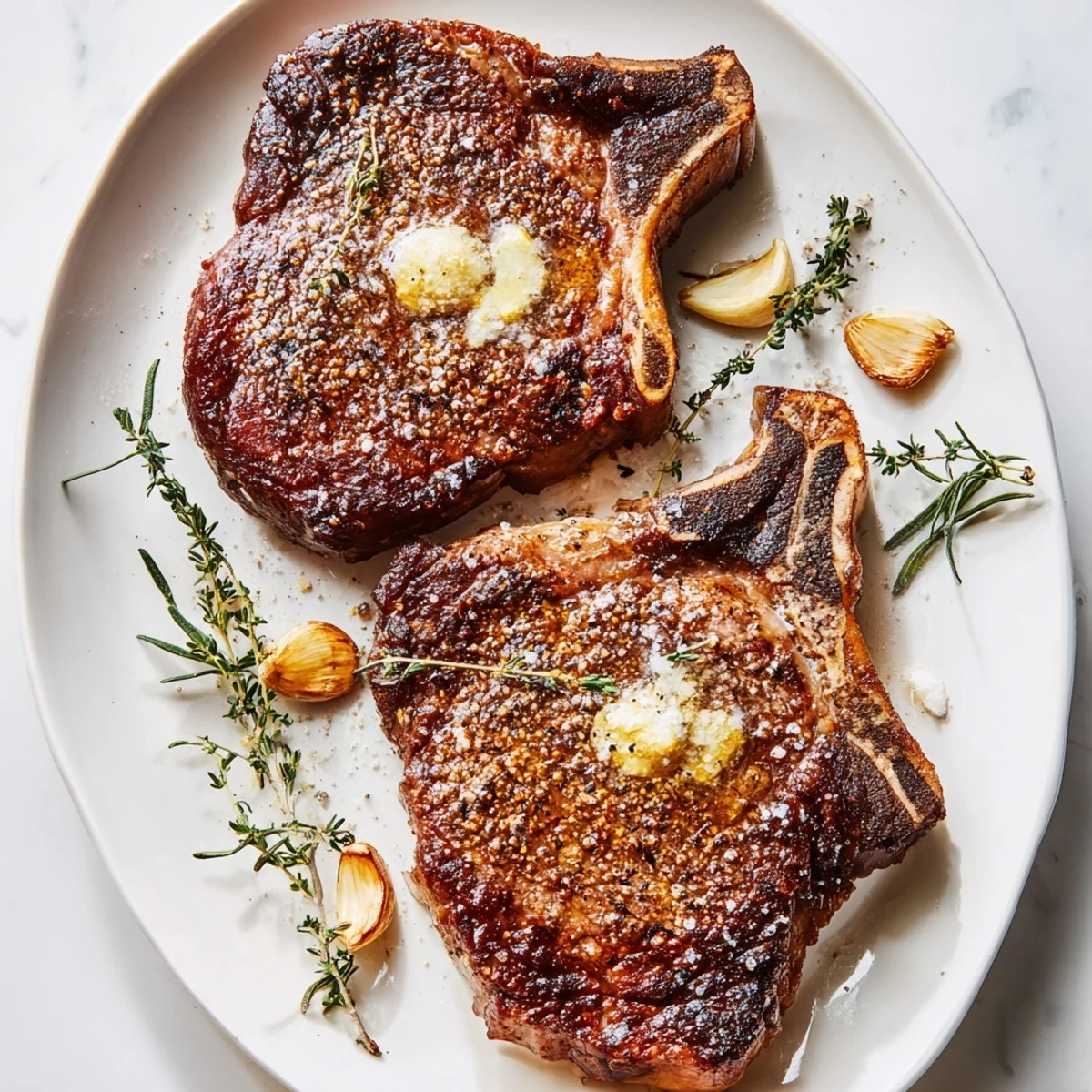
Save Master the art of pan searing ribeye steak with this straightforward technique. Achieve restaurant-quality results at home by creating a deeply caramelized exterior while maintaining a tender, juicy center. The secret lies in proper seasoning, high heat, and finishing with an aromatic butter baste of garlic and fresh herbs.
Perfect for special occasions or weeknight dinners, this method delivers consistent results every time. Let your steak come to room temperature before cooking, sear undisturbed for that golden crust, then baste with infused butter for extra flavor dimensions.
My brother in law stood over my stove one Tuesday evening, watching me nervously hover over a skillet, and told me to stop touching the meat. That single piece of advice completely transformed how I cook steaks at home, turning what used to be an intimidating restaurant only treat into something I can pull off without thinking twice.
Last Valentine's Day, I made these for my husband despite my usual hesitation about cooking expensive cuts at home. The way his eyes lit up after that first bite, especially when he realized I had finally nailed the medium rare he prefers, made me wonder why I had ever been so nervous about something so simple and rewarding.
Ingredients
- 2 ribeye steaks: About 1 inch thick gives you the best balance of crust and pink center, and 12 ounces each feels generous without being overwhelming
- 1 ½ teaspoons kosher salt: Diamond Crystal is my go to for that clean, flaky seasoning that adheres beautifully to the meat surface
- 1 teaspoon freshly ground black pepper: Grind it right before you season so the oils are still fragrant and potent
- 2 tablespoons high-heat oil: Avocado oil has become my pantry staple because it can take serious heat without smoking up my kitchen
- 3 tablespoons unsalted butter: This creates that luxurious basting liquid that infuses flavor deep into every bite
- 3 cloves garlic, smashed: Smashed releases more aromatic oils than minced, and you can fish them out later easily
- 3 sprigs fresh thyme and 2 sprigs fresh rosemary: Fresh woody herbs hold up better than delicate ones when they hit that hot butter
Instructions
- Bring steaks to room temperature:
- Pull them out of the fridge at least 30 minutes before cooking and pat them completely dry with paper towels, because moisture is the enemy of a good crust
- Season generously:
- Sprinkle salt and pepper over both sides and press gently so it adheres, and do not be shy with the seasoning
- Get your skillet screaming hot:
- Heat that cast iron over high heat until it is visibly hot, then swirl in your oil until the pan is coated
- Sear undisturbed:
- Lay in the steaks and do not touch them for 2 to 3 minutes, lifting gently to check for that deep golden brown crust before flipping
- Add the aromatics:
- Flip the steaks and toss in your butter, garlic, and herbs, letting everything sizzle together fragrantly
- Baste like a pro:
- Tilt your skillet and spoon that melting, herb infused butter over the steaks continuously for 2 to 3 minutes until they reach 125°F for rare or 135°F for medium rare
- Rest before serving:
- Transfer to a cutting board and let them sit for 5 minutes, because this step is what keeps all those juices inside where they belong
 Save
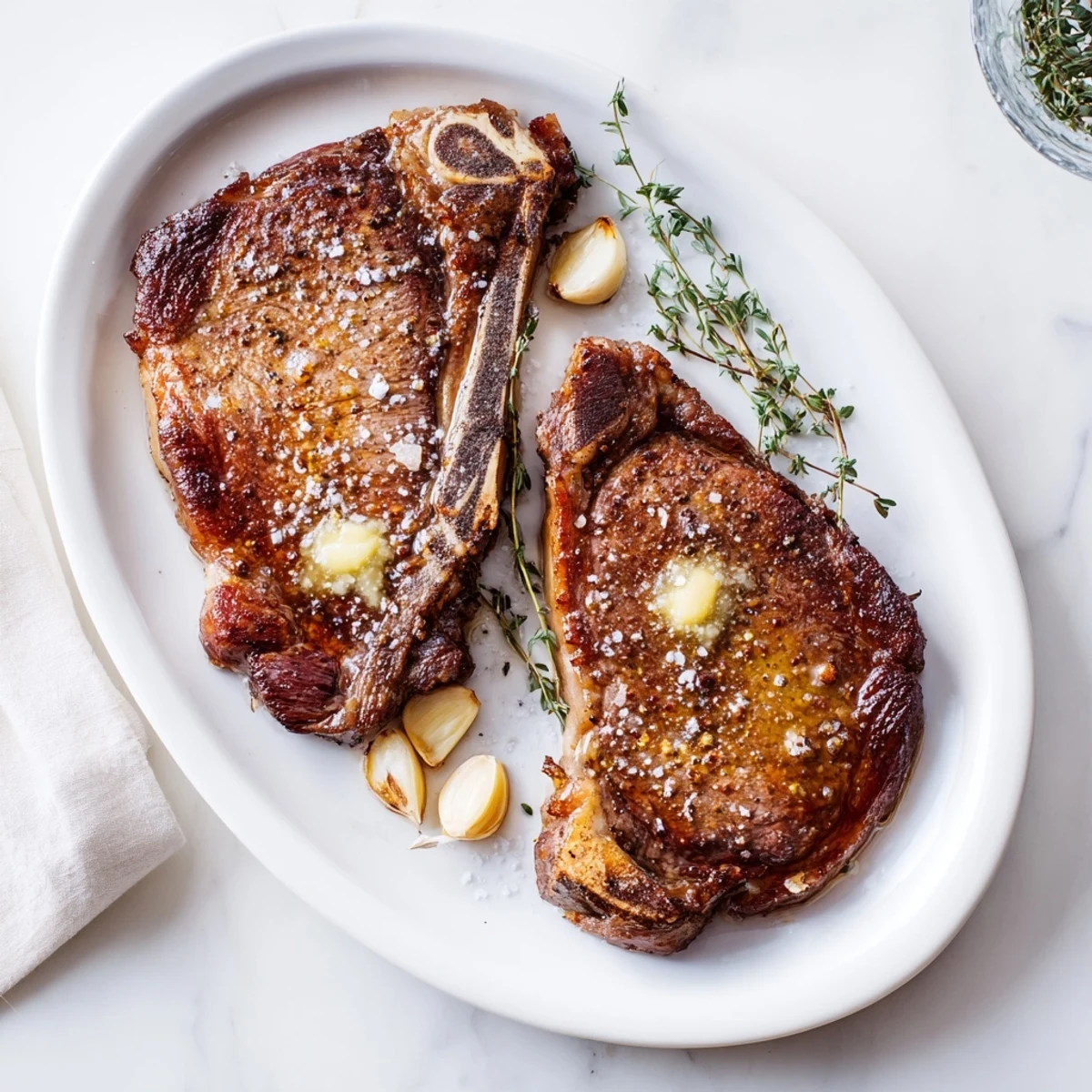
Save There is something deeply satisfying about pulling a perfectly cooked steak from your own stove, that proud moment when you realize you have mastered something that once felt out of reach. My daughter has started requesting these for her birthday dinner instead of going out, and honestly, I love that more than I can say.
Getting The Right Doneness
I used to cut into my steaks to check doneness, which I now know was ruining everything. A meat thermometer took away all the guesswork and anxiety, and for the life of me, I cannot imagine cooking a good cut of meat without one anymore.
The Art of Basting
The first time I watched a chef tilt a pan and continuously spoon butter over a steak, it felt like restaurant sorcery. Now I understand that this technique does more than add flavor, it helps cook the top of the meat while creating that incredible restaurant style finish.
Choosing The Right Pan
Cast iron has become my steak cooking secret weapon because it holds heat so consistently and gives that gorgeous crust I spent years trying to achieve. Thin stainless pans simply cannot deliver the same results, and I have mostly given up on using anything else for this recipe.
- A 12 inch skillet gives you plenty of room so the steaks are not crowded
- Avoid non stick pans here because you cannot get them hot enough for proper searing
- Preheating your pan for a solid 5 minutes makes all the difference in crust development
 Save
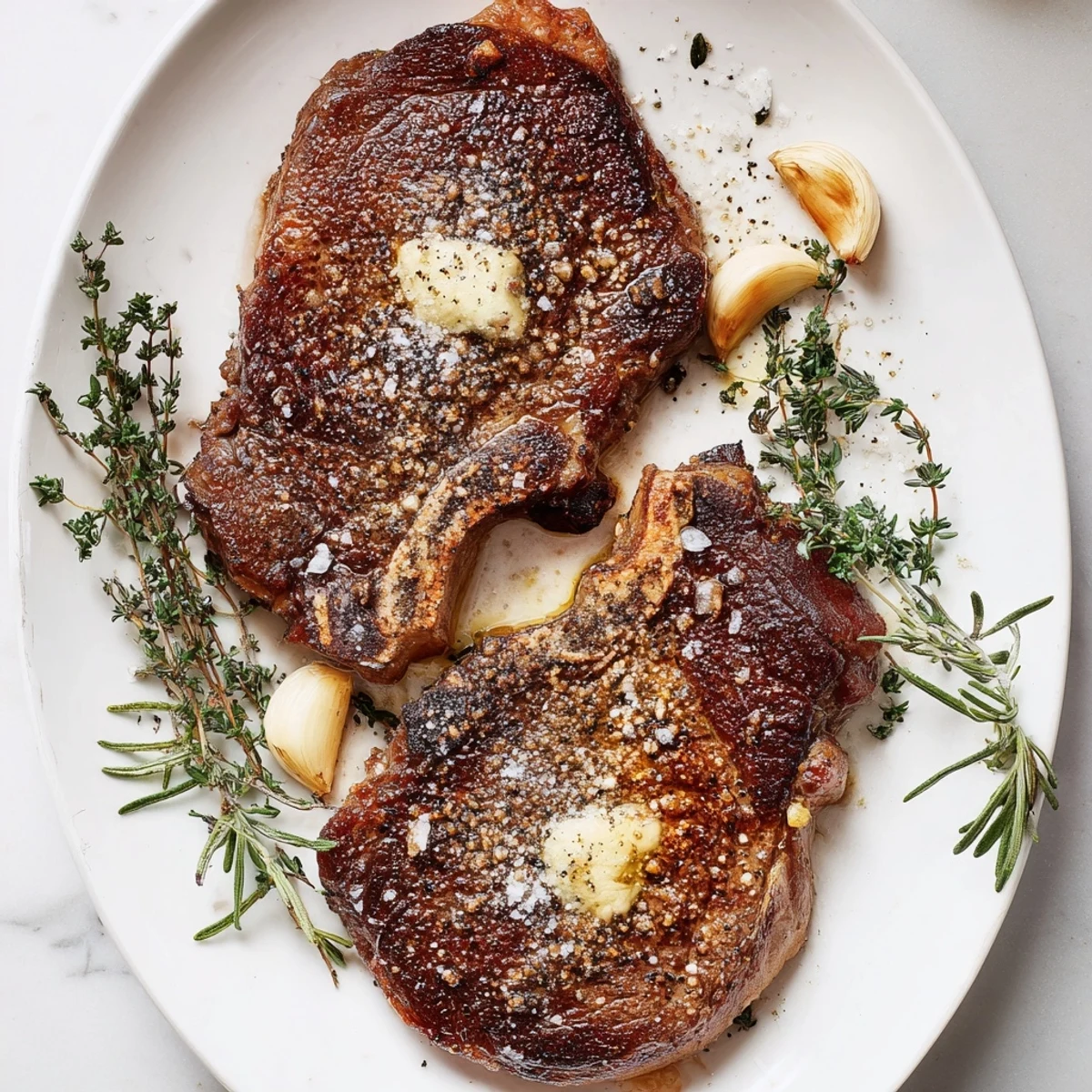
Save There is nothing quite like standing at your stove on a random weeknight, turning simple ingredients into something extraordinary, and watching someone take that first appreciative bite.
Recipe FAQs
- → How do I get a good crust on my ribeye?
-
Pat the steak completely dry before seasoning, use a hot cast-iron skillet, and avoid moving the steak during the initial sear. High heat and dry surface contact create the best caramelized crust.
- → What's the purpose of letting the steak rest?
-
Resting allows the juices to redistribute evenly throughout the meat. Cutting immediately causes juices to escape, resulting in a drier steak. Five minutes of resting ensures maximum tenderness and moisture retention.
- → Can I use a different cut of beef?
-
Yes, this technique works well with other cuts like New York strip, filet mignon, or sirloin. Adjust cooking times based on thickness and desired doneness. Ribeye's marbling makes it particularly forgiving.
- → Why baste with butter and aromatics?
-
Basting infuses the steak with additional flavor from the butter, garlic, and herbs. The aromatic fat penetrates the surface while the butter browns, creating complex, savory notes throughout the meat.
- → How do I know when my steak is done?
-
Use a meat thermometer for accuracy. Insert into the thickest part: 125°F for rare, 135°F for medium-rare, 145°F for medium. Remember that temperature rises 5-10 degrees during resting.