
 Save
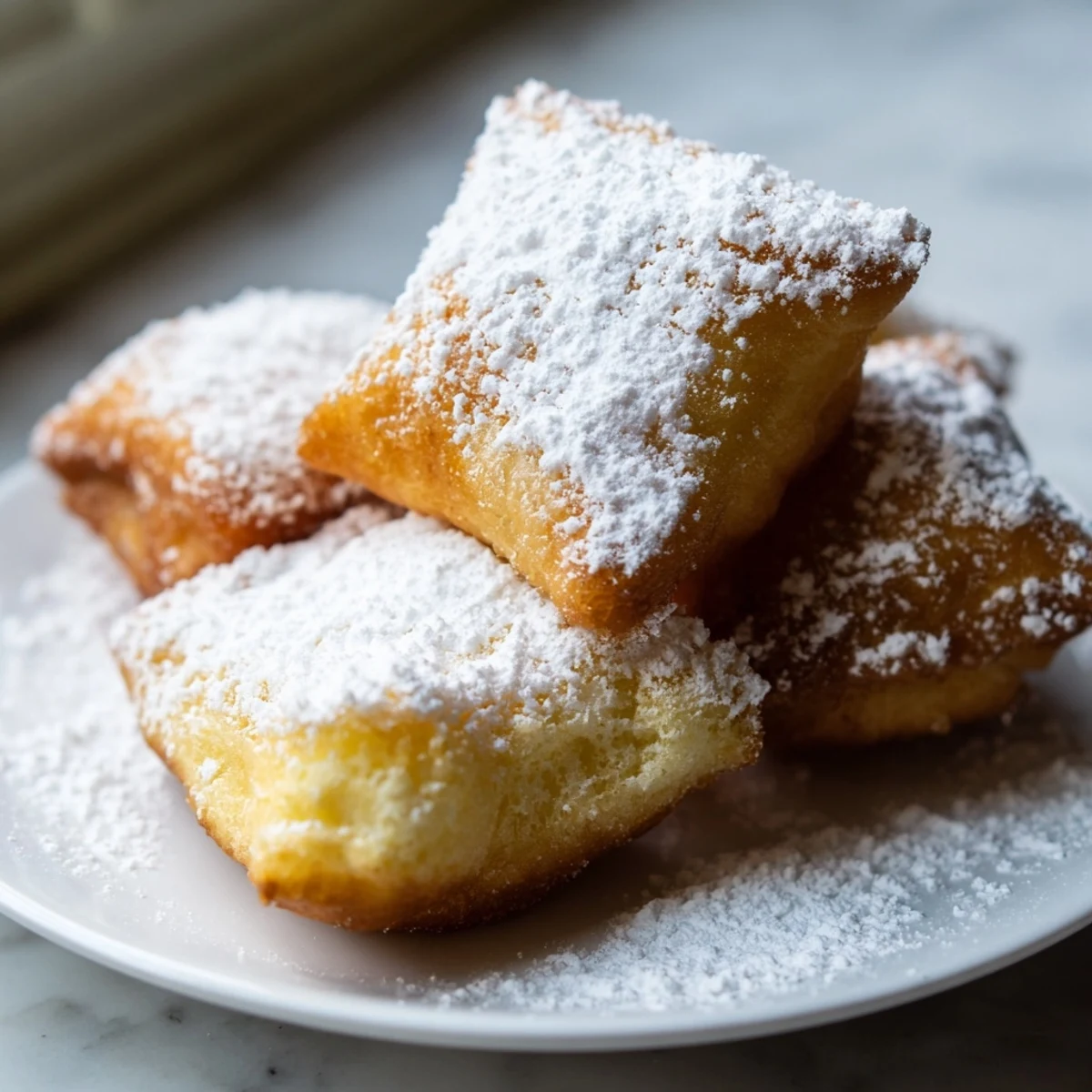
Save Experience the essence of New Orleans with these pillowy, golden fried beignets, lightly dusted with powdered sugar. The dough is a soft blend of all-purpose flour, warm milk and water, active dry yeast, and a hint of vanilla, giving each bite a subtle sweetness and fluffy texture. After a slow rise and gentle frying at 350°F, the squares puff up beautifully, creating a delicate exterior with a tender inside. Perfect served fresh and warm, ideally with chicory coffee for an authentic touch. Variations include adding nutmeg or cinnamon for extra depth.
The smell of yeast and warming sugar always takes me back to a tiny kitchen apartment where I first attempted these after a friend raved about her New Orleans vacation. I made every mistake in the book that afternoon—oil too hot, dough too sticky, sugar clouds covering everything including my cat. But that first bite of still warm beignet, fresh from the oil and buried in powdered sugar, made me understand why people line up at Cafe du Monde in the predawn hours. Something about that combination of crisp exterior giving way to pillowy soft interior feels like pure joy in your mouth.
My neighbor smelled the frying oil through our shared wall and knocked on my door within minutes. We stood in the kitchen eating beignets straight from the paper towel lined plate, powdered sugar coating our chins and somehow finding its way into my hair. She told me about her grandmother who made similar pastries called pets de nonne, and suddenly this New Orleans tradition felt connected to something much larger and older than myself. Now every time I make them, I think about how food has this way of weaving strangers into family through shared moments around warm things.
Ingredients
- All-purpose flour: The backbone that creates structure while still allowing that characteristic puff we're chasing
- Whole milk: Adds richness and helps create that tender interior that distinguishes real beignets from heavy donuts
- Warm water: Activates the yeast—keep it around 110°F or you'll kill the yeast and end up with dense flat disks
- Granulated sugar: Feeds the yeast for proper rise and adds subtle sweetness to the dough itself
- Active dry yeast: The magic ingredient that creates those gorgeous air pockets inside each beignet
- Large egg: Provides structure and richness while helping the dough achieve the right consistency
- Unsalted butter: Adds flavor and contributes to that incredibly soft interior texture
- Salt: Balances sweetness and enhances all the other flavors in the dough
- Vanilla extract: Adds that aromatic background note that makes people ask what's your secret
- Vegetable oil: Use something neutral with a high smoke point for frying without adding competing flavors
- Powdered sugar: The finishing touch that makes beignets instantly recognizable and utterly irresistible
Instructions
- Wake up the yeast:
- Combine warm water, one tablespoon of sugar, and yeast in a small bowl. Stir gently and let it sit for 5–10 minutes until it becomes foamy and fragrant—this tells you the yeast is alive and ready to work.
- Make the base:
- In a large mixing bowl, whisk together the milk, remaining sugar, egg, softened butter, and vanilla extract until smooth. Pour in the activated yeast mixture and stir until everything is incorporated.
- Bring it together:
- Gradually add the flour and salt, mixing with a wooden spoon or your hands until a sticky dough forms. Don't worry about the mess—it should feel tacky and somewhat shaggy at this point.
- Knead it out:
- Turn the dough onto a floured surface and knead for about 5 minutes until it becomes smooth and elastic. You'll feel it transform from sticky to supple under your hands.
- Let it rise:
- Transfer the dough to a greased bowl, cover with plastic wrap or a damp towel, and let it rise in a warm place for about 2 hours. The dough should double in size—this is when the yeast does its important work.
- Roll and cut:
- Punch down the risen dough and roll it out on a lightly floured surface to about 1/4-inch thickness. Cut into 2 1/2-inch squares using a sharp knife or pizza cutter.
- Heat the oil:
- Heat oil in a deep fryer or heavy pot to 350°F. The oil needs to be hot enough to instantly puff the dough but not so hot that it burns before cooking through.
- Fry to perfection:
- Fry beignets in batches, turning occasionally, until puffed and golden brown on both sides—about 2–3 minutes per batch. Watch them transform from flat squares into puffy golden clouds.
- Drain briefly:
- Remove with a slotted spoon and drain briefly on paper towels. They should still feel hot and slightly oily—that's perfect.
- Sugar shower:
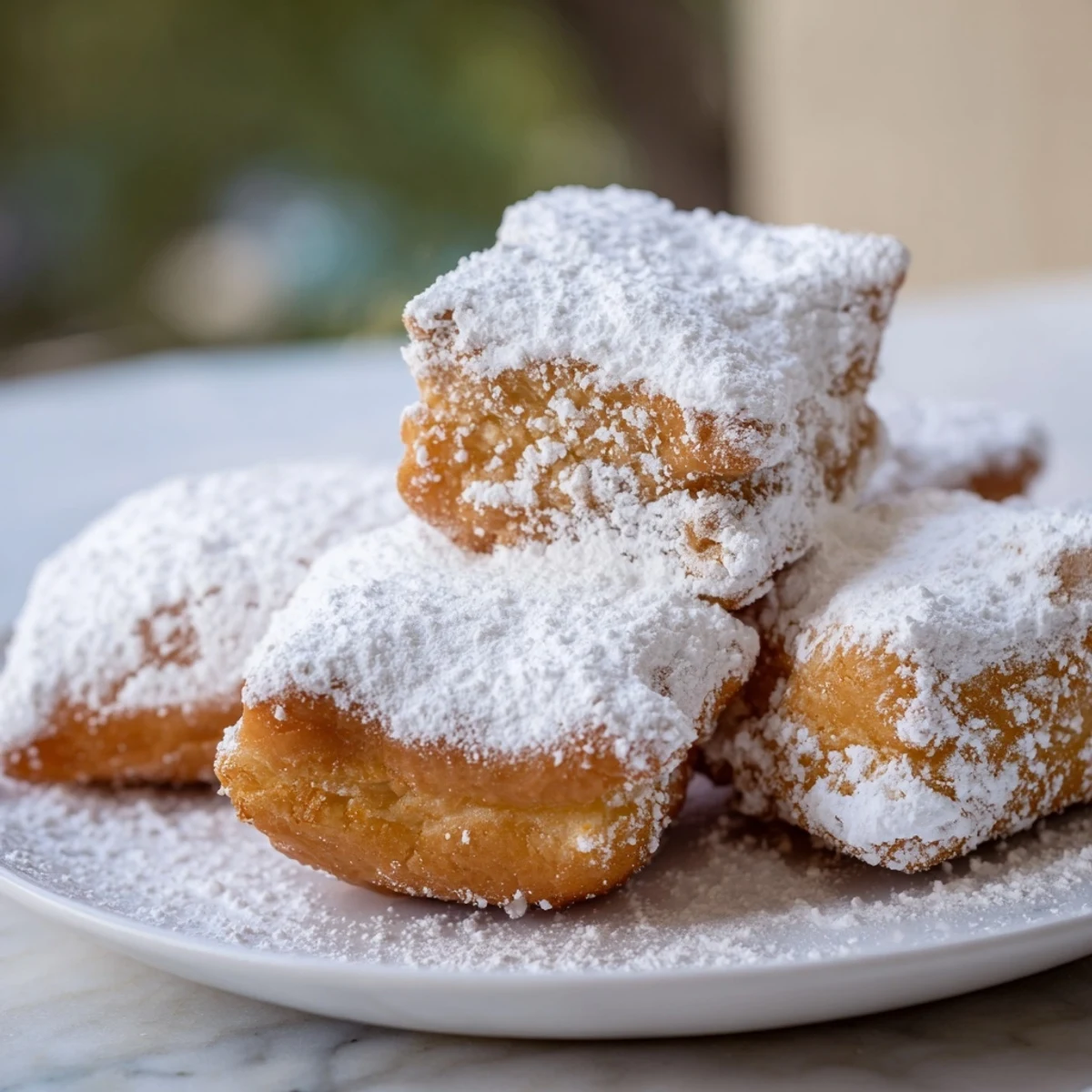
- Generously dust warm beignets with powdered sugar and serve immediately. There's no such thing as too much sugar here—really coat them thoroughly.
 Save
Save These became my go to comfort food during a particularly difficult winter when everything felt uncertain. There was something profoundly reassuring about the simple alchemy of flour and yeast transforming into something that could lift spirits so effectively. Friends started showing up on Sunday mornings with coffee, knowing beignets would be waiting, and suddenly my kitchen had become the gathering place I'd always wanted it to be.
Mastering The Dough Consistency
The dough should feel sticky and slightly tacky to the touch after kneading, not smooth like bread dough. I've learned through failed batches that adding too much flour while working the dough results in dense beignets that never achieve that characteristic puff. Trust the process and resist the urge to keep adding flour—some stickiness is exactly what you want.
The Frying Temperature Secret
Invest in an instant read thermometer if you don't have one because guessing oil temperature is a recipe for disappointment. I've destroyed more batches than I care to admit by rushing this step or relying on the old 'wooden chopstick bubbles' method. When the oil is properly at 350°F, each beignet will puff dramatically within seconds of hitting the oil—that's how you know you've got it right.
Serving And Storage Wisdom
Beignets follow the same rule as fresh donuts—they're at their absolute peak within minutes of frying. If you're serving a crowd, set up an assembly line where one person fries while another handles the sugar coating so nothing sits around getting cold.
- Set up a paper towel lined baking sheet in a 200°F oven to keep finished beignets warm while you fry remaining batches
- Use a sieve for the powdered sugar—it creates that even, professional coating and prevents clumps
- Never refrigerate leftover beignets as they'll become tough and lose their magical texture entirely
 Save
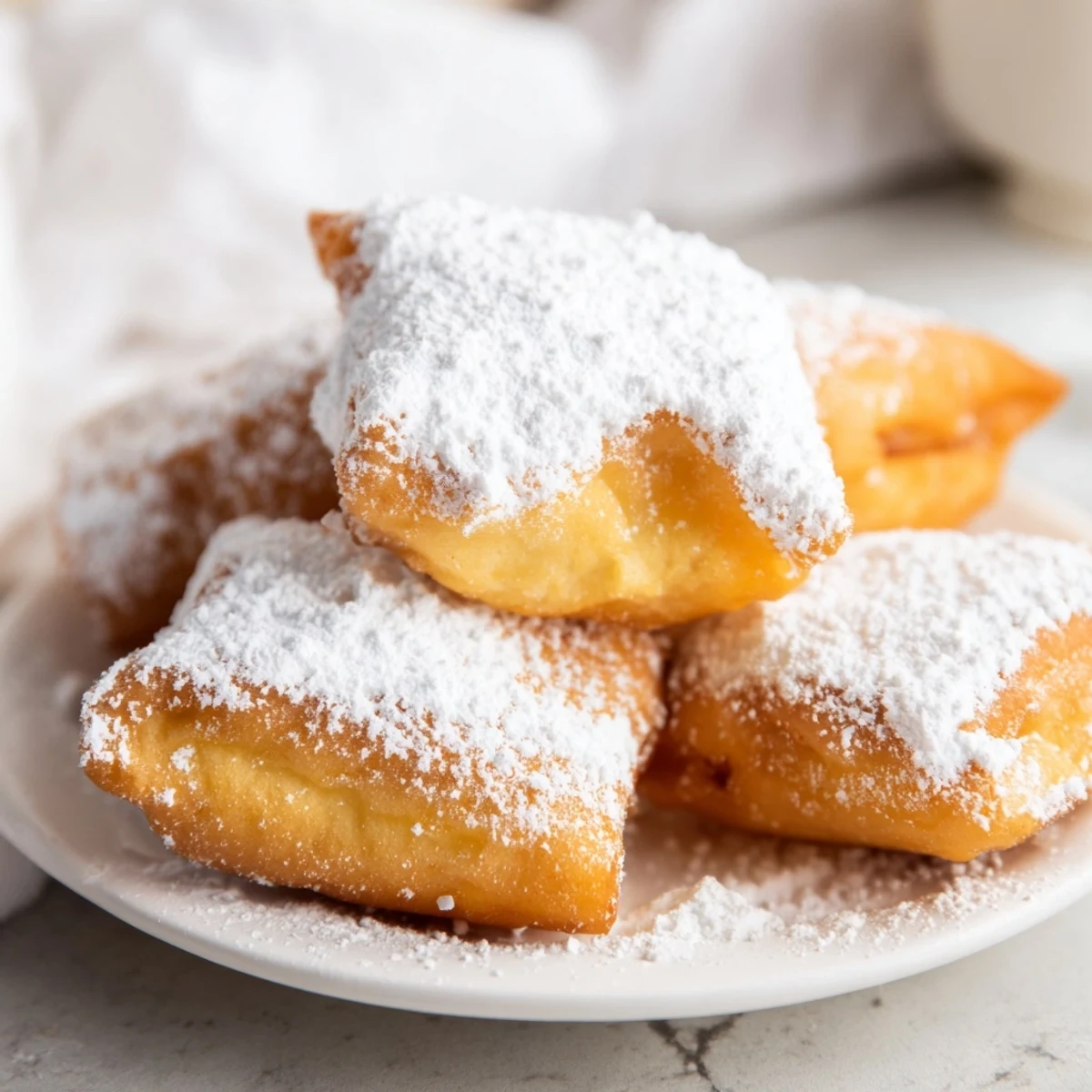
Save Some Sunday mornings still find me in the kitchen covered in flour and powdered sugar, making beignets just because the mood strikes. There's something about the ritual—the mixing, the waiting, the frying—that feels like an act of love, whether for myself or the people who gather around my kitchen island. That first bite never gets old.
Recipe FAQs
- → What makes New Orleans beignets unique?
-
Their pillowy texture and generous powdered sugar dusting, combined with a slow rise of the yeast dough, create a fragrant and tender pastry unique to New Orleans.
- → How do I achieve a light and fluffy texture in the dough?
-
Using warm milk and water with active yeast, plus allowing the dough to rest and rise for about 2 hours, helps develop a soft, airy consistency.
- → What oil temperature is best for frying beignets?
-
Maintain the oil around 350°F (175°C) to ensure a golden, crispy exterior while keeping the inside soft and fully cooked.
- → Can I add spices to the dough for extra flavor?
-
Yes, a pinch of nutmeg or cinnamon can be added to the dough to enhance the flavor without overpowering the classic taste.
- → How should I store leftover beignets?
-
Leftovers are best kept warm by reheating gently in an oven to preserve texture, avoiding microwave reheating which can make them soggy.