
 Save
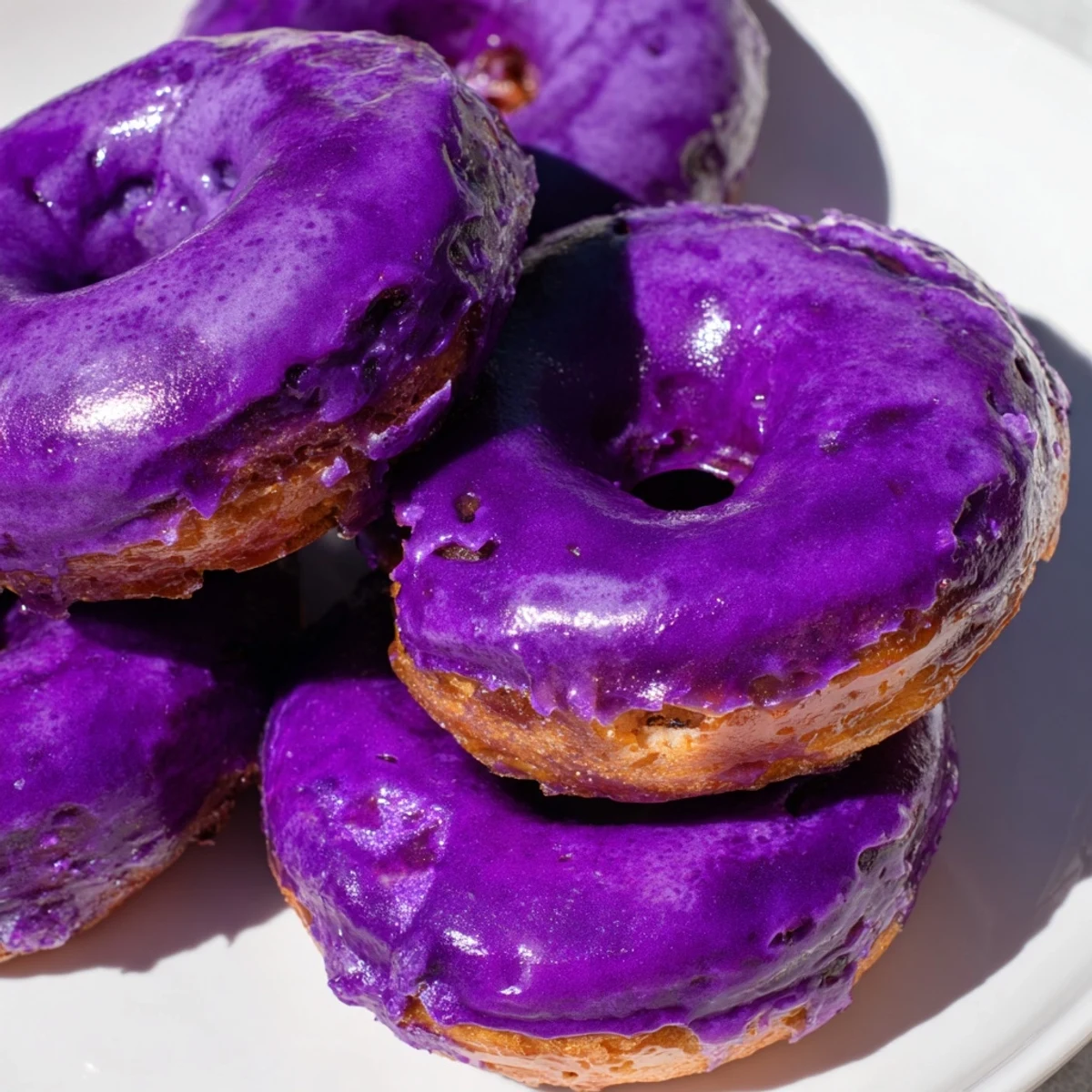
Save These vibrant purple donuts combine the nutty, vanilla-like sweetness of Filipino ube with the delightfully chewy texture of Japanese mochi. Each bite offers a satisfying contrast between the crispy, golden exterior and impossibly soft, stretchy interior. The sweet rice flour creates that signature mochi bounce, while ube halaya infuses every bite with its distinct earthy sweetness and stunning color.
Ready in just 40 minutes, these gluten-free treats are perfect for impressing guests or enjoying as a special afternoon snack with tea or coffee. The final touch—a silky ube glaze—adds an extra layer of sweetness and makes these donuts absolutely irresistible.
The first time I encountered ube was at a Filipino bakery where I mistook the vibrant purple pastry for blueberry. One bite revealed this nutty, vanilla-like sweetness that nothing else quite matches. When I discovered mochi donuts in Tokyo years later, my mind immediately went to combining these two textures. Now these purple pillows have become the most requested treat at every gathering.
Last summer, my neighbor smelled these frying through our open kitchen window and appeared on my doorstep with an empty container. Now whenever I make a batch, she texts me first thing in morning asking if purple day has arrived. Something about that color and smell draws people in like magic.
Ingredients
- Sweet Rice Flour (Mochiko): This is what creates that signature chewy texture. Regular rice flour will not give you the same bounce.
- Almond Flour: Adds subtle richness and helps structure the donut without making it dense.
- Baking Powder: Essential for that slight puff when frying. Do not reduce this or your donuts will be flat.
- Sea Salt: Just enough to make all those sweet flavors pop and taste balanced.
- Whole Milk: The fat content matters here. Skim milk will make the dough too delicate.
- Ube Halaya: This is concentrated ube jam and the heart of the recipe. Find it at Asian markets or online.
- Unsalted Butter: Melted and cooled slightly so it does not scramble your eggs when you mix everything together.
- Neutral Oil: Canola or vegetable oil works best because it lets the ube flavor shine through.
- Powdered Sugar: For the glaze. This creates that smooth, professional-looking finish.
Instructions
- Whisk the Dry Ingredients:
- In a large bowl, combine sweet rice flour, almond flour, baking powder, and salt until evenly distributed.
- Mix the Wet Ingredients:
- In a separate bowl, whisk together milk, sugar, ube halaya, eggs, melted butter, and vanilla until the mixture is smooth and the jam is fully incorporated.
- Combine the Dough:
- Pour the wet ingredients into the dry ingredients and stir until a thick, sticky dough forms. The dough will feel tacky but should hold its shape.
- Shape the Donuts:
- Lightly dust your hands with rice flour and roll the dough into 1.5-inch balls. For ring donuts, arrange eight balls in a circle on parchment squares and gently press them together where they touch.
- Heat the Oil:
- Heat oil in a deep pot to 340°F. Use a thermometer to be precise since oil that is too hot will burn the outside before the inside cooks through.
- Fry the Donuts:
- Carefully lower the donuts into the oil, parchment and all. After 30 seconds, remove the parchment with tongs. Fry for 2 to 3 minutes per side until puffed and golden.
- Drain and Cool:
- Transfer the donuts to a wire rack lined with paper towels. Let them cool for at least 15 minutes or the glaze will slide right off.
- Make the Ube Glaze:
- Whisk together powdered sugar, ube halaya, milk, and salt until smooth and pourable. Add more milk a teaspoon at a time if needed.
- Glaze and Serve:
- Dip the tops of the cooled donuts into the glaze and set them back on the rack. Let the glaze set for 10 to 15 minutes before serving.
 Save
Save My daughter now requests these for every special occasion instead of birthday cake. There is something so satisfying about watching people take that first curious bite and seeing their eyes light up when the texture hits them. Food that makes people happy is the best kind of food.
Perfecting the Texture
The secret to that signature mochi chew is not overworking the dough. Mix just until the wet and dry ingredients come together. Overmixing develops proteins that make the donuts tough instead of tender. Also, resist the urge to add more flour to make the dough easier to handle. A little stickiness is exactly what you want.
Frying Success
Parchment paper is your best friend here. It keeps the delicate dough from falling apart when you transfer it to the hot oil. The paper will naturally release after about 30 seconds of frying. Do not try to pull it off sooner or you will reshape your beautiful donut.
Glazing Like a Pro
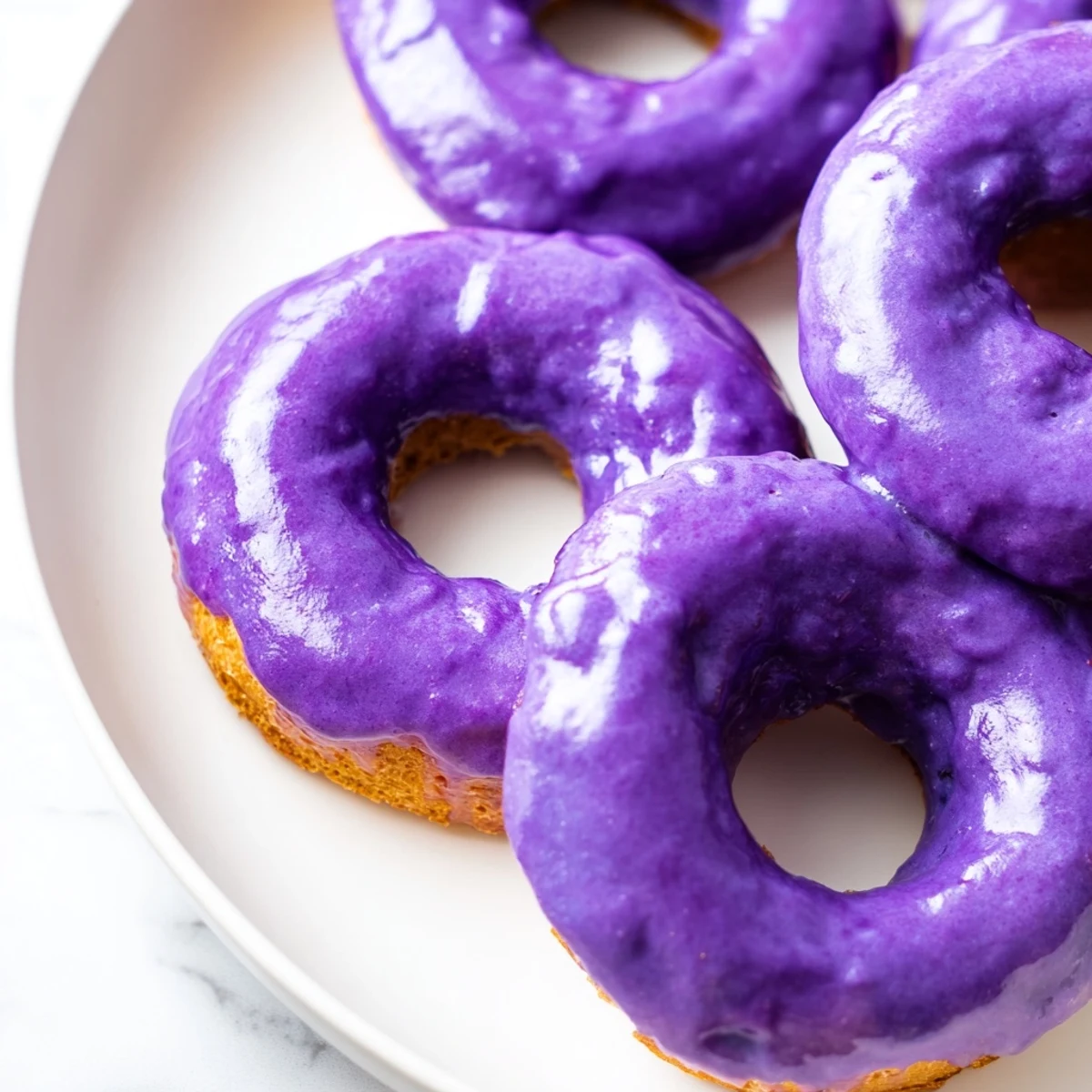
The glaze should be the consistency of warm honey. Too thick and it will look gloppy. Too thin and it will run right off the donut. If you are not sure, test it on the back of a spoon first. The perfect glaze leaves a smooth, even coat that slowly sets to a satin finish.
- Make sure donuts are completely cooled before glazing or the glaze will melt
- Add sprinkles immediately after dipping while the glaze is still wet
- Let glazed donuts set for at least 10 minutes before stacking them
 Save
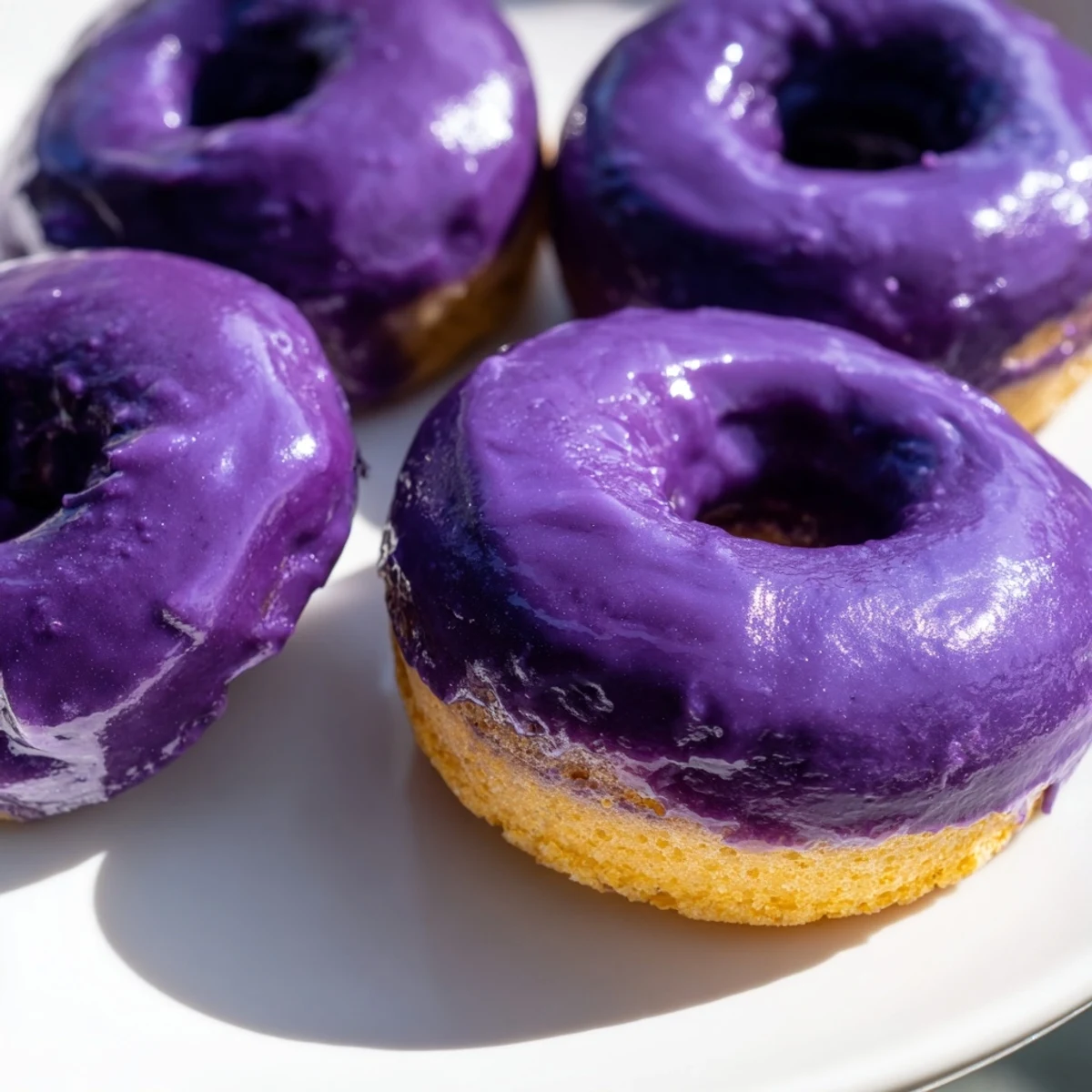
Save Every batch teaches me something new about patience and precision, but the first bite always reminds me why these purple beauties are worth the effort. Happy baking, friends.
Recipe FAQs
- → What makes these donuts chewy?
-
The chewy texture comes from sweet rice flour (mochiko), a glutinous rice flour that creates the signature mochi-like bounce and stretchiness when fried.
- → Where can I find ube halaya?
-
Ube halaya (ube jam) is available in Asian grocery stores, Filipino markets, or online. Look for it in jars or tubs in the international aisle.
- → Can I bake these instead of frying?
-
While frying gives the best texture, you can bake them at 350°F (175°C) for 12-15 minutes. The exterior will be softer rather than crispy, but they'll still be delicious.
- → How should I store these donuts?
-
Store in an airtight container at room temperature for up to 2 days. For longer storage, refrigerate for up to 5 days, though the texture may become slightly firmer.
- → Why is my dough too sticky to handle?
-
The dough is naturally sticky due to the rice flour. Lightly dusting your hands with rice flour helps, but avoid adding too much or the texture will become tough.
- → Can I make these dairy-free?
-
Yes! Substitute whole milk with almond, oat, or coconut milk, and use vegan butter instead of regular butter. The texture and flavor remain excellent.