
 Save
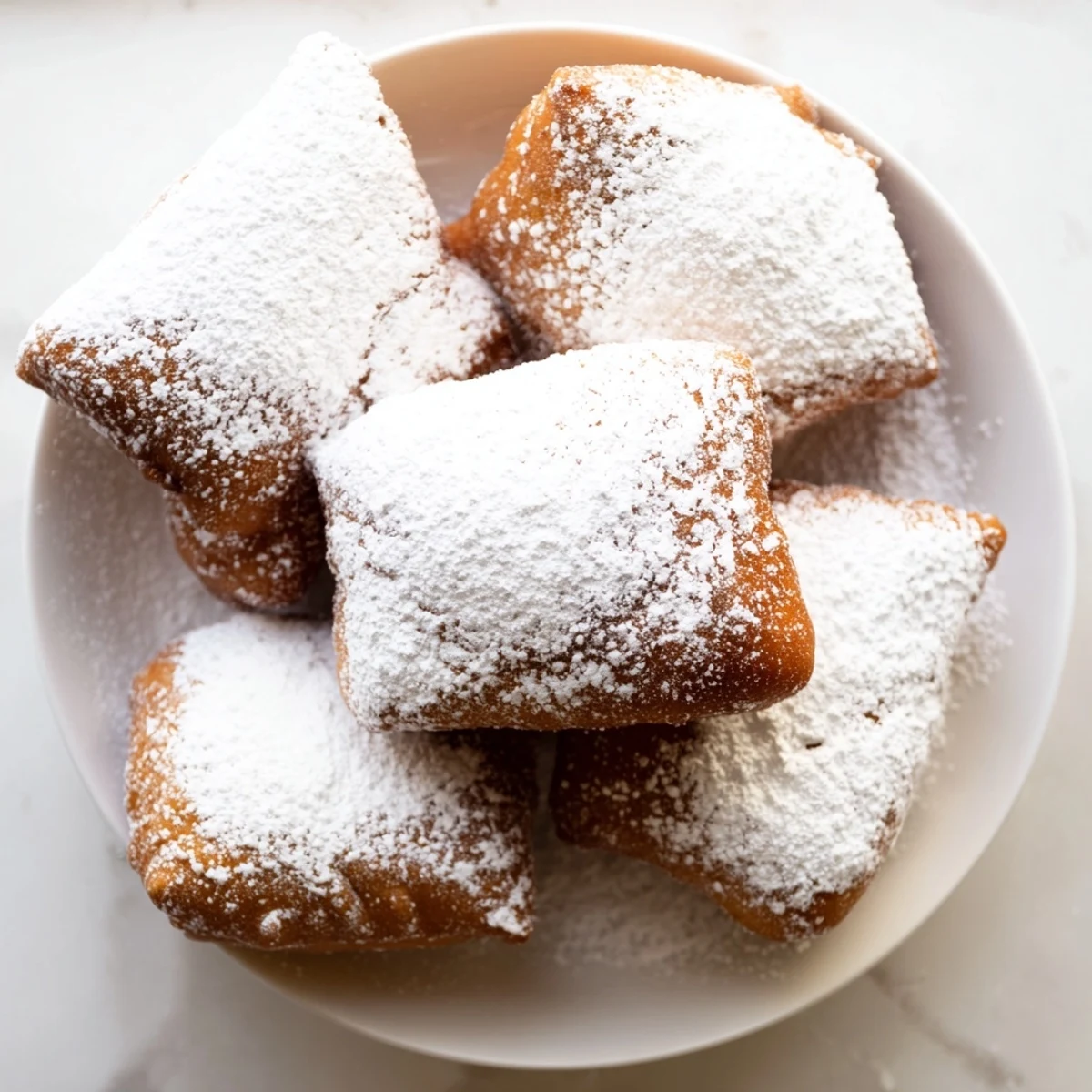
Save This dish features pillowy squares of fried dough renowned in New Orleans cuisine. The dough is enriched with milk, eggs, and butter, then proofed to develop a light texture before frying to golden perfection. Finished with a generous dusting of powdered sugar, these treats offer a satisfying balance of softness and sweetness. Best enjoyed fresh and warm, they pair wonderfully with café au lait or your favorite beverage, making for an indulgent breakfast or dessert.
The first time I had beignets was actually at a tiny cafe far from New Orleans, where the powdered sugar somehow ended up everywhere except the plate. I was wearing a black sweater that never fully recovered, but that first bite of warm, pillowy dough made the mess completely worth it. Now I make them at home, and yes, I still manage to get sugar in my hair.
Last winter, my neighbor came over during a snowstorm with a container of cafe au lait. We stood over the frying pan, watching the dough squares puff up like magic while the house smelled like a French bakery. She said my version was better than the ones she had in New Orleans, though I suspect she was just being kind about the snow day company.
Ingredients
- All-purpose flour: This builds the structure, and bread flour makes them too tough
- Active dry yeast: Fresh is non negotiable, I learned this the hard way with flat dough
- Warm water: Think bath temperature, hot enough to wake the yeast but not kill it
- Whole milk: Adds richness and helps create that tender crumb
- Granulated sugar: Feeds the yeast and adds just enough sweetness to balance
- Large egg: Room temperature helps it incorporate smoothly into the dough
- Unsalted butter: Melted and cooled slightly so it doesnt cook the egg
- Salt: Enhances all the flavors and keeps the dough from tasting flat
- Vegetable oil: Neutral flavor lets the shine on these be the dough itself
- Powdered sugar: The more generous you are, the more authentic the experience
Instructions
- Wake up the yeast:
- Dissolve the yeast and one teaspoon of sugar in warm water, then walk away for 5 to 10 minutes until you see a foamy layer on top. If nothing happens, your yeast might be dead and you will need new yeast.
- Mix the wet ingredients:
- Whisk together the remaining sugar, milk, egg, melted butter, and salt until the mixture is smooth and uniform. The butter should be warm but not hot enough to scramble the egg.
- Combine and add flour:
- Pour in the yeast mixture and stir, then gradually add flour while mixing with a wooden spoon until a sticky dough forms that pulls away from the sides of the bowl.
- Knead until smooth:
- Turn the dough onto a lightly floured surface and knead for about 5 minutes until it feels smooth and elastic, or let your stand mixer do the work for 3 to 4 minutes.
- Let it rise:
- Place the dough in a lightly oiled bowl, cover it, and tuck it in a warm spot for 1 to 1.5 hours until it has doubled in size. This is the perfect time to clean up or make coffee.
- Roll and cut:
- Punch down the dough gently, roll it out to about quarter inch thickness, and cut into 2 inch squares with a sharp knife or pizza cutter.
- Heat the oil:
- Get your oil to 350 degrees Fahrenheit in a deep fryer or heavy pot, using a thermometer if you have one since the temperature really matters here.
- Fry until golden:
- Cook the dough squares in batches for about 1 to 2 minutes per side, turning once until they are puffed and golden brown all over.
- Drain and sugar immediately:
- Lift them out with a slotted spoon, let them drain on paper towels for just a moment, then dust them with powdered sugar while they are still warm.
 Save
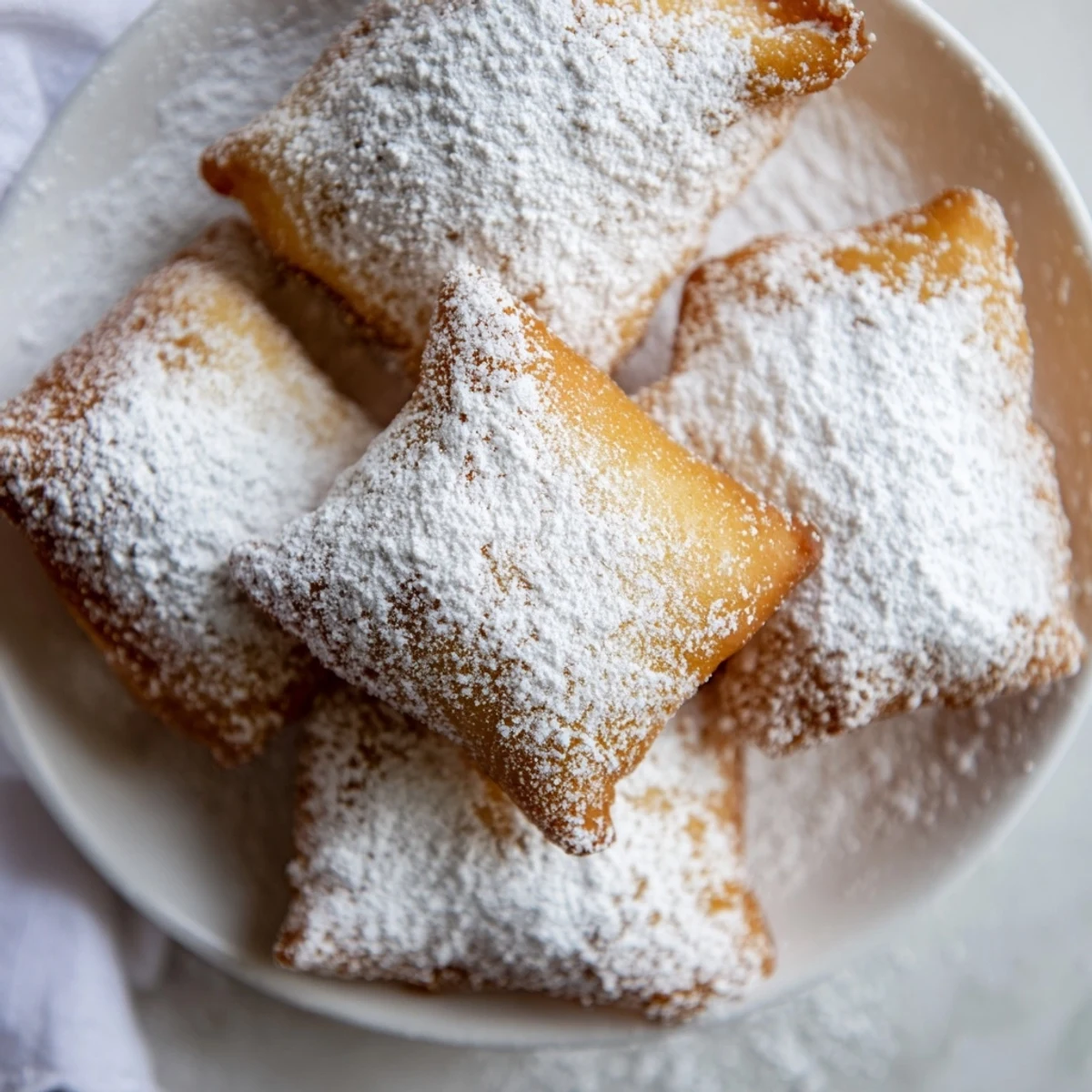
Save My daughter now asks for beignets every Sunday morning, and it has become our thing. She is in charge of the powdered sugar dusting station and takes this job very seriously, usually applying enough sugar to cover half the kitchen counter.
Getting That Perfect Rise
The temperature of your kitchen matters more than most recipes admit. On cold days, I turn my oven on for exactly one minute, then turn it off and let the dough rise inside with the door closed. The residual warmth creates the perfect cozy environment for proofing.
Frying Without Fear
Deep frying intimidates many home cooks, but the key is maintaining your oil temperature. Keep a candy thermometer clipped to the side of your pot, and adjust your heat as needed between batches. The oil will drop when you add cold dough, so give it a moment to recover.
Serving Suggestions
These really are best the moment they are made, still warm with the sugar melting slightly into the dough. However, if you somehow have leftovers (unlikely in my house), you can refresh them in a 350 degree oven for 3 minutes.
- Cafe au lait is the classic pairing for a reason, the bitter coffee cuts through the sweet
- Strawberry preserves on the side turns them into a completely different experience
- Set up a toppings station and let everyone customize their sugar dusting intensity
 Save
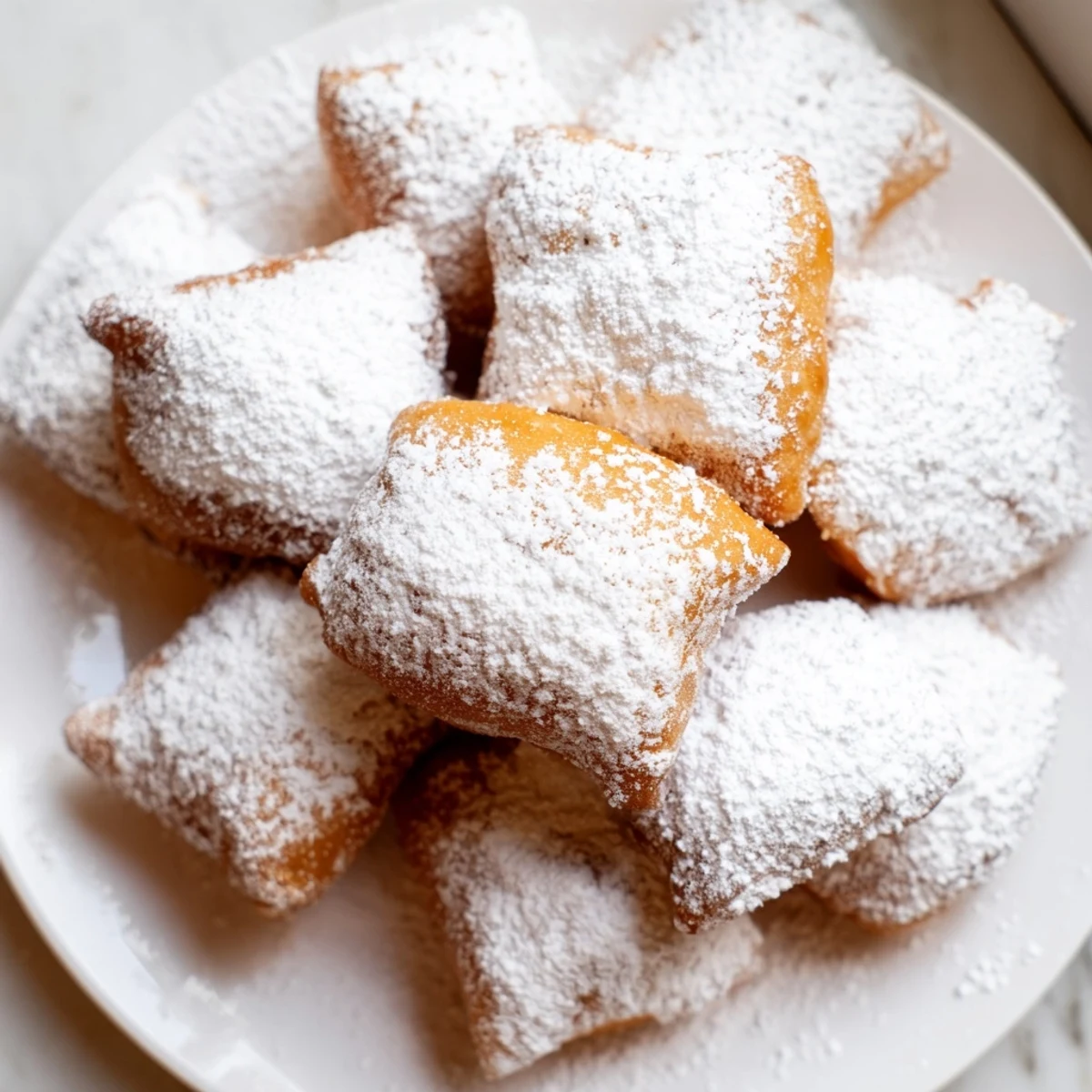
Save There is something almost meditative about standing over hot oil, watching simple dough transform into puffy golden pillows. These beignets bring a little bit of New Orleans magic right into your kitchen, sugar clouds and all.
Recipe FAQs
- → What makes these beignets fluffy?
-
The dough undergoes a proofing process that allows the yeast to activate, creating air bubbles for a light and airy texture after frying.
- → Can I prepare the dough in advance?
-
Yes, the dough can be prepared and allowed to proof ahead of time, but frying is best done fresh to retain crispness and softness.
- → What oil is recommended for frying?
-
Vegetable oil is ideal for deep frying due to its neutral flavor and high smoke point, ensuring even cooking without overpowering the dough.
- → How should powdered sugar be applied?
-
Once the fried squares are still warm, dust them generously with powdered sugar to enhance sweetness and classic presentation.
- → Are there any flavor variations suggested?
-
You can add a hint of vanilla extract or a pinch of nutmeg to the dough to introduce subtle aromatic notes without altering the texture.