
 Save
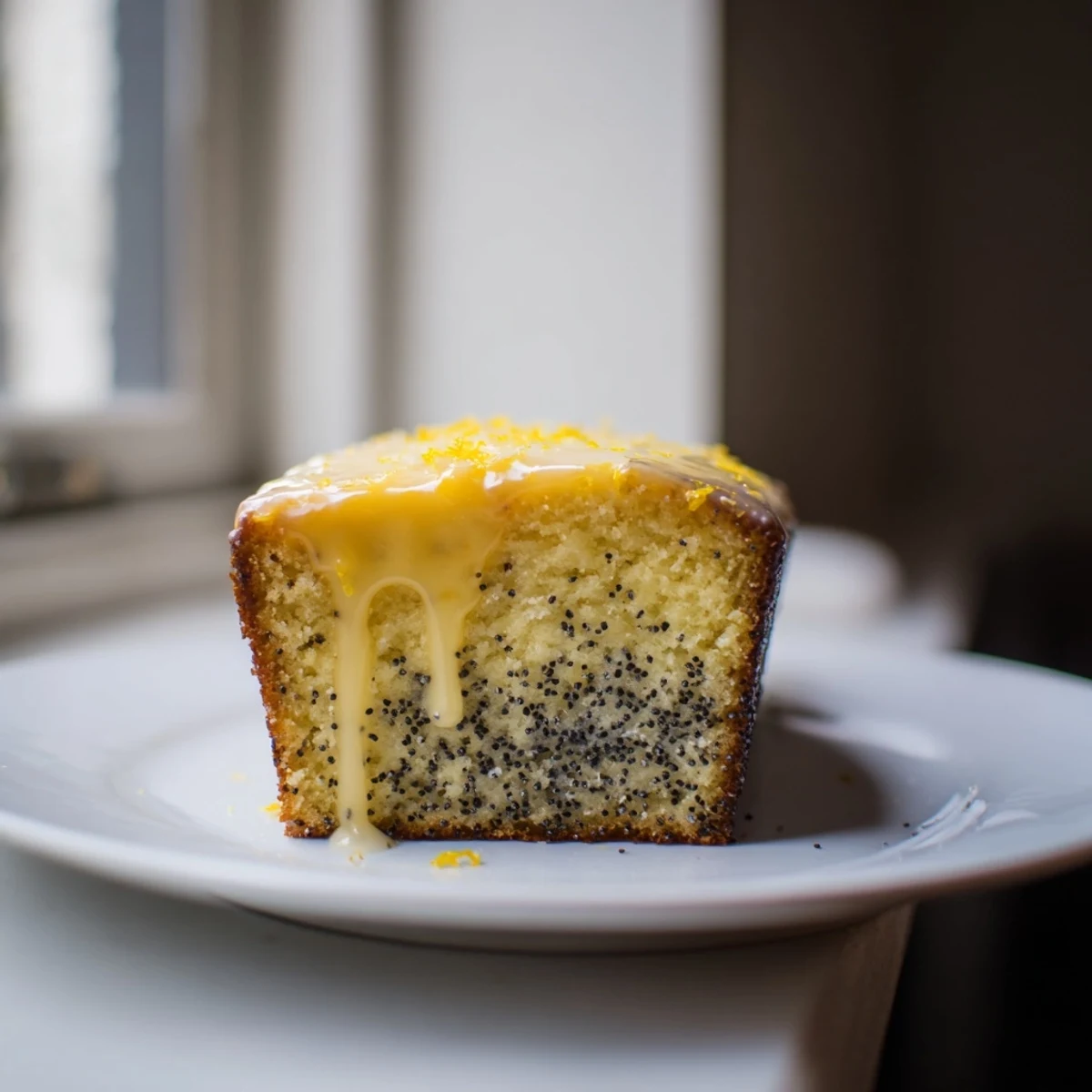
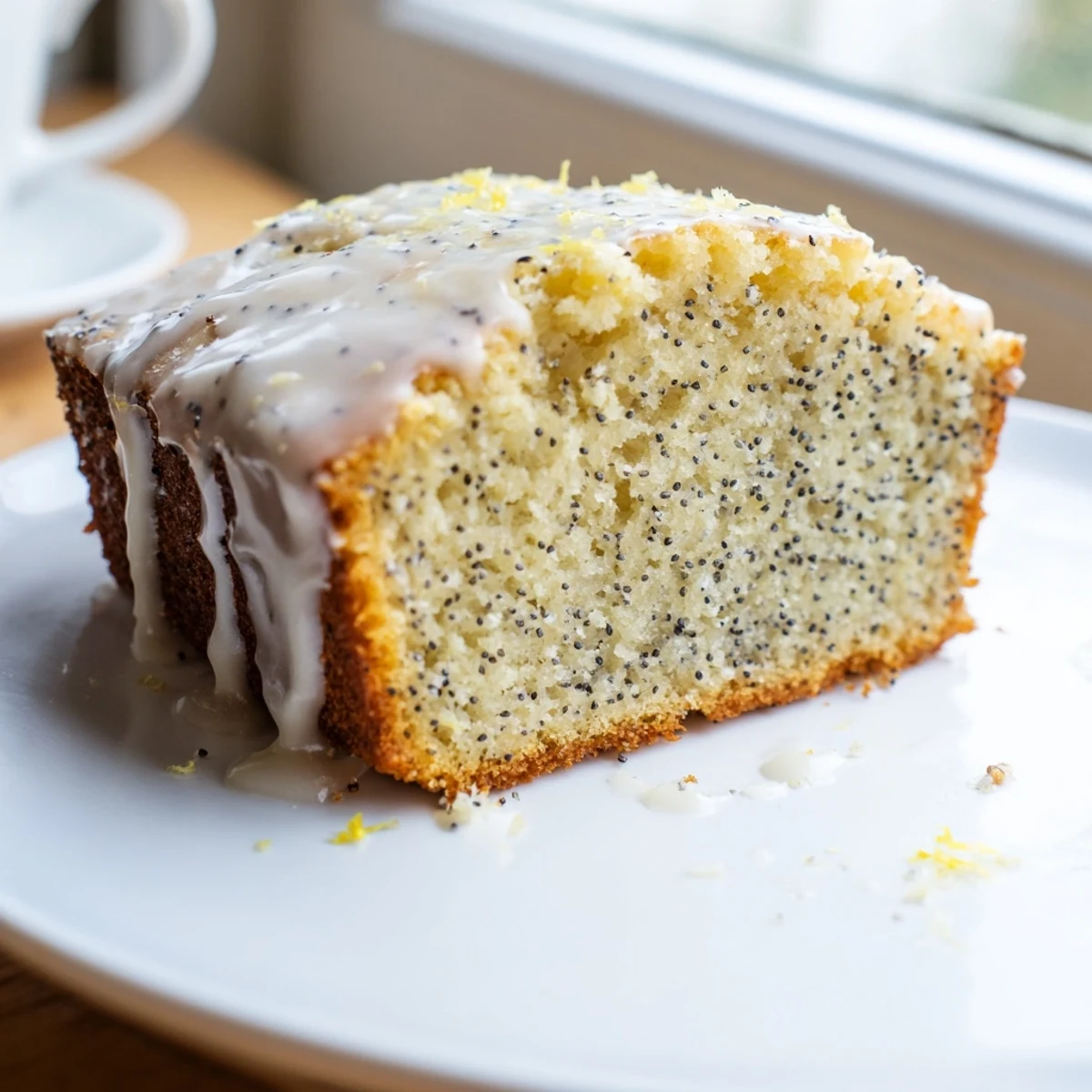
Save This loaf blends fresh lemon zest and crunchy poppy seeds into a tender, moist texture perfect for any time of day. Butter and sugar are whipped to a light fluffiness before folding in eggs, milk, citrus juice, and dry ingredients. Baking until golden, it’s finished with a tangy lemon glaze that adds a bright, sweet finish. Ideal for breakfast or a comforting treat alongside tea, this loaf offers a balanced combination of citrus and nutty crunch.
The smell of lemon zest hitting the mixing bowl always pulls me back to my grandmother's tiny kitchen, where she'd let me stand on a chair to reach the counter. She swore that poppy seeds were what made angels actually visit your kitchen, and I never questioned her theology. This loaf became my go-to for new neighbors and heartbroken friends alike. Something about that bright yellow glaze makes even the grayest Tuesday feel like a celebration.
Last spring, my friend Sarah showed up at my door unannounced, carrying nothing but a basket of lemons from her tree and a story about how her garden had exploded overnight. We spent the whole afternoon zesting and chatting while this loaf baked, and by the time it came out of the oven, neither of us remembered why we'd been worried about anything. That's the magic this bread works.
Ingredients
- 2 cups all-purpose flour: The foundation that holds everything together without being too heavy or dense
- 1 ½ tsp baking powder: This gives you that lovely dome and tender crumb structure
- ½ tsp baking soda: Works with the acidic lemon juice to create the perfect rise
- ¼ tsp salt: Just enough to make the lemon pop and balance the sweetness
- 2 tbsp poppy seeds: Those tiny little crunches that make every bite interesting
- ⅔ cup unsalted butter, softened: Room temperature butter is non negotiable for that creamed texture
- 1 cup granulated sugar: Sweetens the deal without overwhelming the bright lemon flavor
- 2 large eggs, room temperature: Bring them to room temp so they emulsify properly into the batter
- ⅓ cup whole milk: Adds richness and helps create that moist, tender crumb
- ¼ cup fresh lemon juice: Use freshly squeezed, nothing from a bottle will taste quite right
- 2 tbsp lemon zest: This is where all that bright citrus fragrance lives
- 1 tsp vanilla extract: Rounds everything out and adds depth to the lemon
- ¾ cup powdered sugar: For that perfect tangy sweet finish that makes it look bakery gorgeous
- 2–3 tbsp fresh lemon juice: Adjust to get your glaze just right, thick enough to coat but pourable
Instructions
- Get your oven ready:
- Preheat to 350°F (175°C) and grease your 9x5-inch loaf pan, then line it with parchment paper so those little corners don't stick.
- Whisk the dry team together:
- In a medium bowl, combine flour, baking powder, baking soda, salt, and poppy seeds until everything is evenly distributed.
- Cream the butter and sugar:
- Beat softened butter and sugar in your large bowl for 2–3 minutes until it's pale and fluffy, almost like frosting.
- Add the eggs:
- Beat them in one at a time, letting each one fully incorporate before adding the next.
- Pour in the wet ingredients:
- Add lemon zest, lemon juice, milk, and vanilla, mixing until combined. Don't panic if it looks slightly curdled, that's just the acid doing its thing.
- Fold everything together:
- Gently add the dry ingredients and fold until just combined. Overmixing will make your loaf tough and nobody wants that.
- Bake until golden:
- Pour batter into your prepared pan, smooth the top, and bake for 45–55 minutes until a toothpick comes out clean.
- Cool completely:
- Let it rest in the pan for 10 minutes, then move to a wire rack. Patience here is everything, warm bread will melt your glaze right off.
- Make the glaze:
- Whisk powdered sugar and lemon juice until smooth and pourable, then drizzle over the completely cooled loaf.
 Save
Save My daughter once asked if we could make this for her teacher, who was having a rough week with grading. The teacher told me later that she ate it warm with tea while grading papers, and for the first time all semester, the papers didn't seem so overwhelming. Food really does carry love across distances.
Getting the Most Lemon Flavor
I learned this trick from a baker friend. Brush the warm loaf with a tablespoon of fresh lemon juice right after it comes out of the oven but before you glaze it. That little soak seeps into the crumb and creates these pockets of extra bright flavor throughout.
Making It Lighter
Sometimes I swap half the butter for Greek yogurt when I'm feeling virtuous. The loaf still stays moist but has a slightly tighter crumb and feels a little less indulgent for weekday breakfasts.
Storage and Serving
This loaf actually develops better flavor on day two as the lemon continues to work its way through the crumb. Store it airtight at room temperature for up to three days.
- Wrap it tightly in plastic wrap, then foil if you're freezing it
- Bring it to room temperature before glazing if frozen
- Never glaze a frozen or cold loaf or it will slide right off
 Save
Save There's something so honest about a loaf cake, simple and unfussy but always welcome. Hope this one finds its way into your regular rotation too.
Recipe FAQs
- → What gives the loaf its lemon flavor?
-
Fresh lemon zest and lemon juice are incorporated to provide bright citrus notes throughout the loaf and in the glaze.
- → How do poppy seeds affect the texture?
-
Poppy seeds add a gentle crunch and subtle nutty flavor, contrasting nicely with the soft crumb of the loaf.
- → Can I substitute ingredients for a lighter texture?
-
Yes, replacing half the butter with Greek yogurt can lighten the loaf without sacrificing moisture.
- → How should I store the loaf after baking?
-
Keep it in an airtight container at room temperature for up to three days to maintain freshness.
- → What baking pan is recommended?
-
A 9x5-inch loaf pan ensures even baking and helps achieve the traditional shape.
- → Is it important not to overmix the batter?
-
Yes, gently folding the dry ingredients prevents a dense texture and keeps the loaf tender.