
 Save
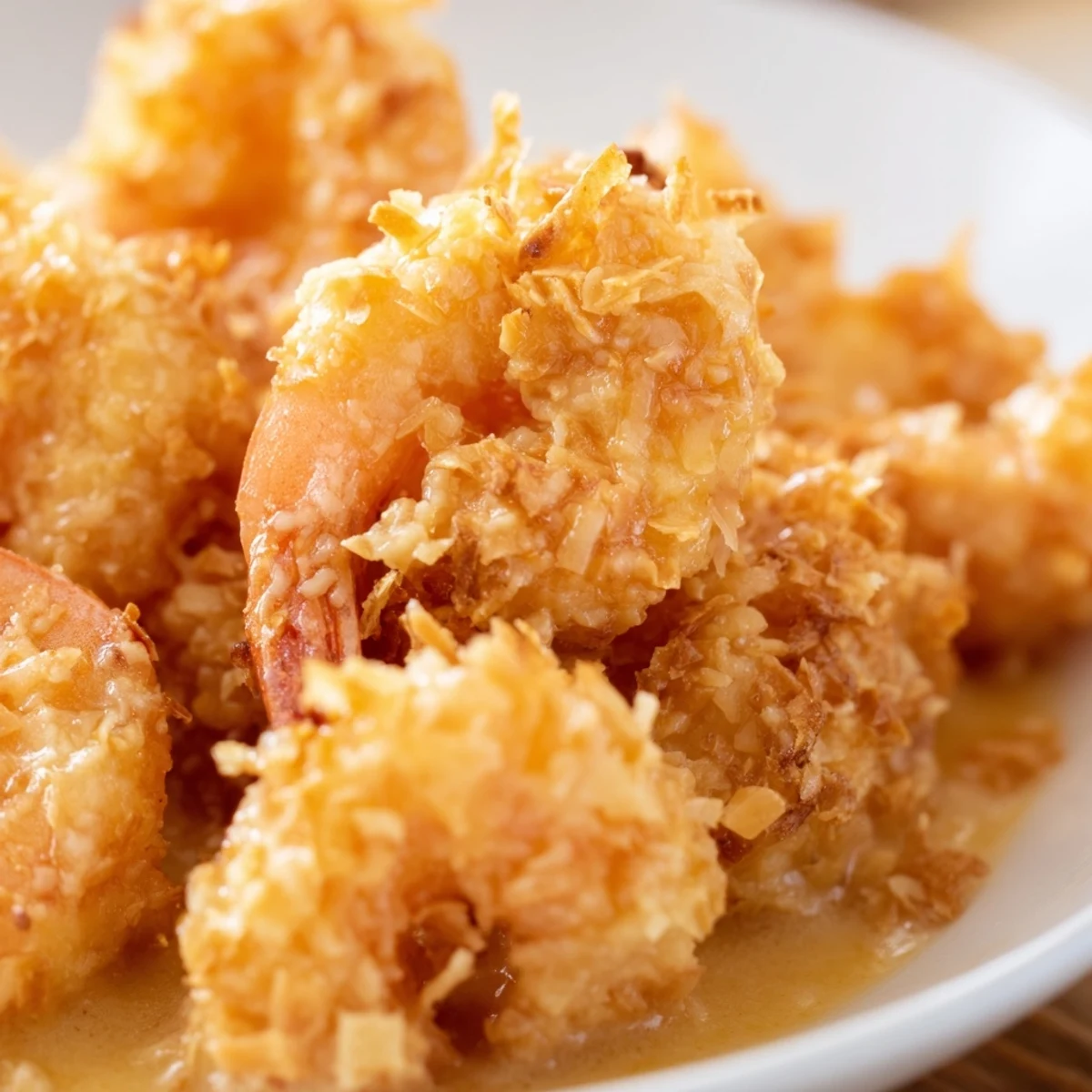
Save Crispy Chinese coconut shrimp featuring large shrimp battered in cornstarch, flour, and coconut, then deep-fried to golden perfection. Tossed in a creamy coconut sauce made with coconut milk, condensed milk, mayonnaise, honey, and lemon juice. Garnished with toasted coconut and green onion for added texture and flavor.
The first time I made these coconut shrimp, I was trying to recreate a dish from a tiny Chinese restaurant downtown that had closed unexpectedly. My kitchen smelled like coconut and frying oil for days afterward, and my roommate kept wandering in, asking if they were ready yet. When I finally pulled that first batch out of the oil—golden and impossibly crisp—I knew I had stumbled onto something special. That night we ate standing up at the counter, dripping sauce onto paper towels, and nobody complained.
Last winter I made these for my parents when they visited, and my dad—who's suspicious of anything with 'coconut' in the name—went back for thirds. The way the crispy coating holds onto that creamy sauce creates this texture that's absolutely addictive. My mom asked me to write down the recipe before she even finished her first serving.
Ingredients
- Shrimp: I use large shrimp because they fry up juicier and hold the coating better—never skip the deveining step or the texture gets weird
- Salt and white pepper: White pepper gives that classic Chinese restaurant flavor without visible specks in your final dish
- Shaoxing wine: This adds depth and cuts any fishiness, but dry sherry works perfectly fine if that's what you have
- Cornstarch and flour: The combination creates a batter that's both light and sturdy enough to hold the coconut
- Unsweetened shredded coconut: Sweetened coconut burns too fast, so grab the unsweetened kind for that perfect golden color
- Coconut milk: Full-fat canned coconut milk gives the sauce that luxurious restaurant-quality consistency
- Sweetened condensed milk: This is the secret ingredient that makes the sauce glossy and balances the tang
- Mayonnaise: Sounds strange but it emulsifies everything together and adds creamy body
- Honey: Use a mild honey so it doesn't overpower the delicate coconut flavor
- Fresh lemon juice: Absolutely essential—bottled juice makes the sauce taste flat and metallic
- Soy sauce: Just a teaspoon adds that savory umami note that keeps the sauce from being cloyingly sweet
Instructions
- Marinate the shrimp:
- Toss the shrimp with salt, white pepper, and Shaoxing wine in a medium bowl. Let them sit for about 10 minutes while you prep everything else.
- Whisk the batter:
- Combine cornstarch, flour, egg, and cold water in a mixing bowl until you have a smooth, lump-free batter.
- Heat the oil:
- Get your vegetable oil to 350°F in a deep fryer or large saucepan. I use a thermometer because guessing leads to either soggy shrimp or burnt coating.
- Coat the shrimp:
- Dip each marinated shrimp into the batter, letting excess drip off, then press it gently into the shredded coconut until lightly coated all over.
- Fry to golden:
- Cook the shrimp in batches for 2–3 minutes until they're deep golden and sound crispy when you tap them with tongs. Drain on paper towels.
- Make the sauce:
- Whisk coconut milk, sweetened condensed milk, mayonnaise, honey, lemon juice, and soy sauce over low heat until just warm and smooth. Don't let it bubble or it might separate.
- Toss and serve:
- Throw the fried shrimp into a large bowl, pour over the warm sauce, and toss until every piece is coated. Top with toasted coconut and green onion while they're still glossy.
 Save
Save My friend's birthday dinner last spring became legendary because of these shrimp. Someone Instagrammed them before anyone even took a bite, and now every gathering includes a polite request for 'those coconut ones.' Food that brings people to the table—sometimes literally—is the best kind of food.
Getting the Crispiest Coating
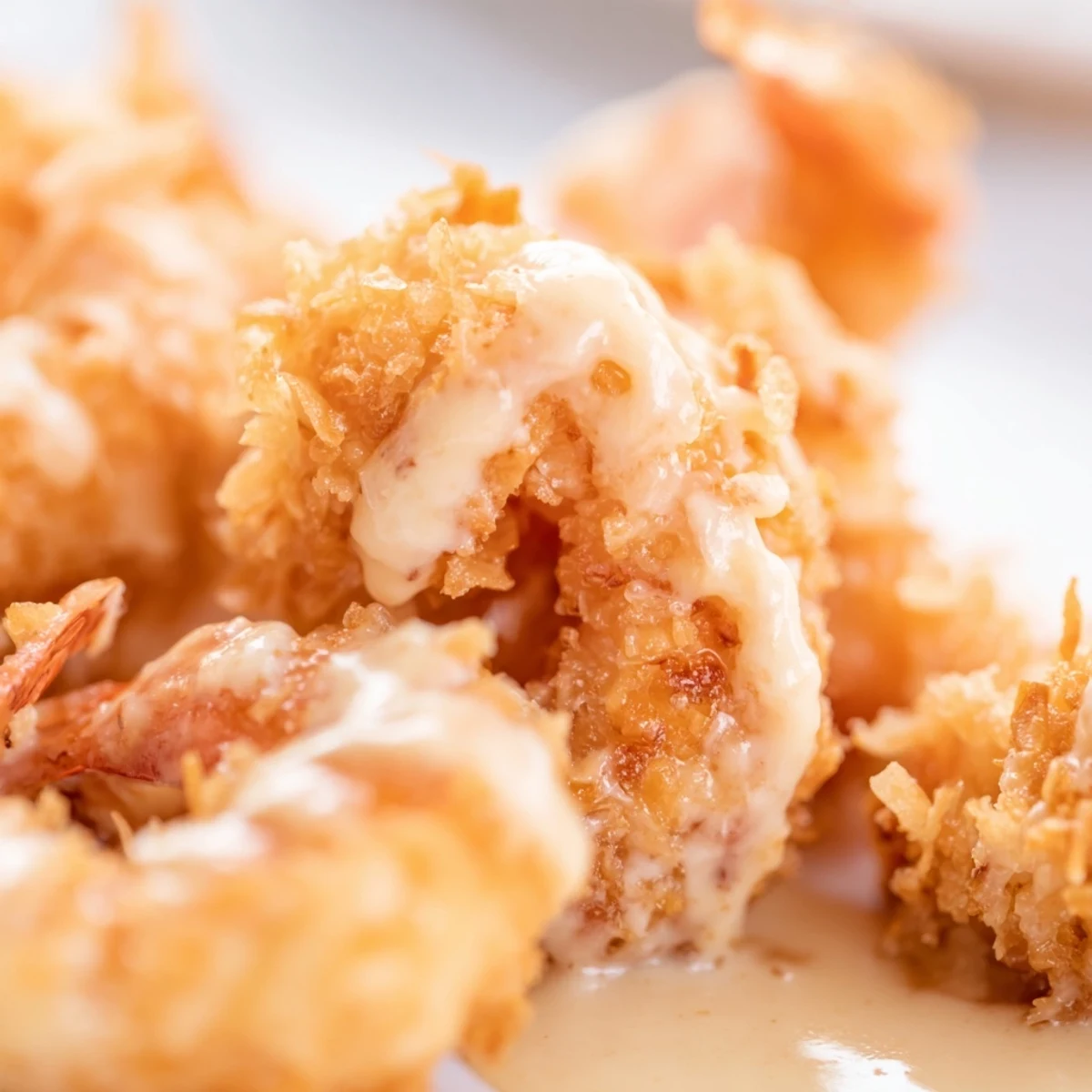
Make sure your batter ice cold and your oil hot. I put my batter bowl inside another bowl filled with ice while the oil heats up. That temperature contrast creates the lightest, crunchiest shell that doesn't get soggy even after tossing in sauce.
Sauces That Work Too
While the coconut sauce is traditional, I've also served these with a sweet chili dipping sauce or even a simple sriracha-mayo mix. The shrimp itself is so good you could get away with bottled sauce in a pinch, though homemade makes it special.
Serving Suggestions
I like serving these over jasmine rice to catch all that extra sauce, or just piled high on a platter as an appetizer. They disappear fast either way.
- Set out extra lemon wedges for people who love that extra acid
- Keep a bowl of the sauce on the side for dipping
- These don't reheat well so plan to eat them all while they're hot
 Save
Save Some recipes feel like discoveries rather than just instructions. This is one of those dishes that turns a regular Tuesday into something worth remembering.
Recipe FAQs
- → What type of shrimp works best for this dish?
-
Large shrimp (16-20 count) work best as they provide substantial texture and hold up well to the batter and frying process. Make sure they're peeled and deveined for easy eating.
- → Can I make the coconut sauce ahead of time?
-
Yes, the coconut sauce can be prepared up to 24 hours in advance and stored in the refrigerator. Gently reheat before serving, but avoid boiling as it may cause the sauce to separate.
- → How do I achieve the perfect crispy coating?
-
The key is to ensure the shrimp are completely dry before battering, and to fry them in batches at the proper temperature (350°F/175°C). Don't overcrowd the fryer to maintain oil temperature and ensure even cooking.
- → What's the best way to toast coconut?
-
Spread coconut in a single layer on a baking sheet and toast in a 350°F (175°C) oven for 5-7 minutes, stirring occasionally until golden brown. Alternatively, toast in a dry skillet over medium heat, stirring constantly.
- → Can I substitute the Shaoxing wine?
-
Yes, dry sherry or rice wine vinegar work well as substitutes. If you prefer an alcohol-free option, try rice vinegar or increase the lemon juice slightly for acidity.