
 Save
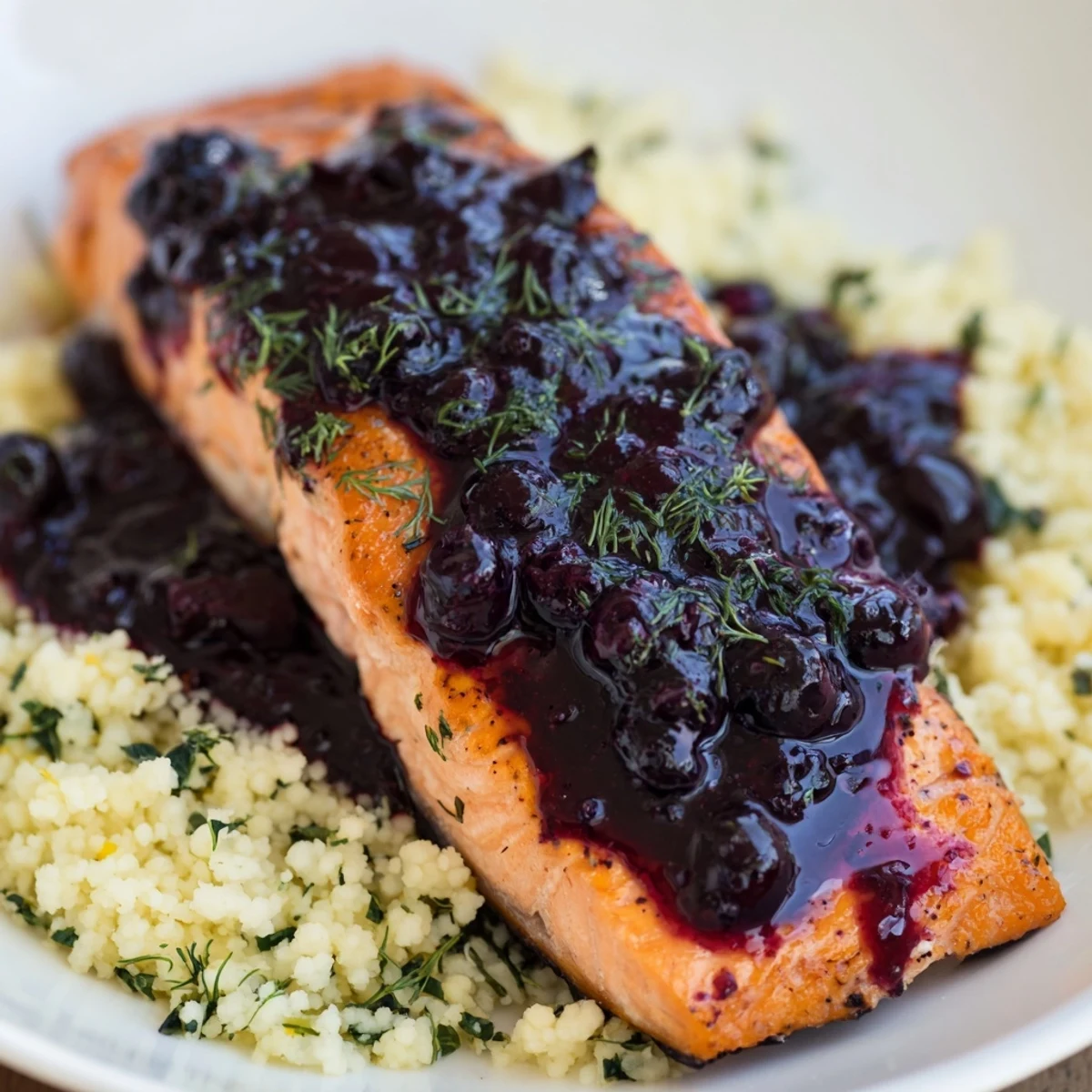
Save Experience the fresh flavors of tender salmon fillets brushed with a tangy blueberry reduction, baked to perfection. Complementing the fish is a fluffy, zesty lemon herb couscous that adds brightness and texture to the dish. The glaze combines blueberries, balsamic vinegar, honey, and lemon for a balanced sweet and savory finish. With simple preparation combining searing and baking for the salmon, and a quick stovetop method for the couscous, this flavorful plate is ideal for both weeknights and special occasions seeking light, vibrant fare.
The first time I made blueberry glaze for fish, my husband raised an eyebrow. Fruit on salmon seemed odd until that first bite. The tangy sweetness cut through the rich fish perfectly. Now it is the only way he wants salmon prepared.
I served this at a small dinner party last summer. My friend who claims to dislike salmon asked for seconds. The purple glaze against the pink fish looks stunning on the plate. People remember meals that surprise them.
Ingredients
- Fresh or frozen blueberries: Frozen berries work perfectly and release more juice when heated down
- Balsamic vinegar: Adds depth and balances the honey so the glaze never becomes cloyingly sweet
- Honey: Use a mild honey so it does not overpower the delicate blueberry flavor
- Lemon juice: Brightens the glaze and cuts through the richness of the salmon
- Dijon mustard: The secret ingredient that makes the glaze cling to the fish
- Salmon fillets: Remove the skin before cooking so the glaze coats every surface evenly
- Olive oil: Use regular olive oil for cooking and save extra virgin for finishing
- Couscous: The tiny granules absorb the lemon and herbs quickly while staying fluffy
- Vegetable broth: Low-sodium broth lets you control the salt level better than standard versions
- Fresh parsley and dill: These herbs pair naturally with both salmon and lemon
Instructions
- Make the blueberry glaze first:
- Combine all glaze ingredients in a small saucepan over medium heat. Listen for the berries to pop as they burst open. Stir occasionally and let the mixture simmer until thickened enough to coat a spoon.
- Sear the salmon:
- Heat olive oil in an oven-safe skillet until shimmering. Place salmon fillets flesh side down and listen for that satisfying sizzle. Let them develop a golden crust before flipping.
- Glaze and bake:
- Brush the seared salmon generously with the blueberry mixture. Transfer the skillet to a preheated 400°F oven. Bake until the fish flakes easily when tested with a fork.
- Prepare the couscous:
- Bring vegetable broth and olive oil to a rolling boil. Stir in the couscous and immediately cover the pot. Remove from heat and let it steam while the salmon finishes cooking.
- Finish the couscous:
- Fluff the cooked couscous with a fork to separate the grains. Fold in the lemon zest, juice, and fresh herbs. The bright citrus scent should fill the air as you mix.
 Save
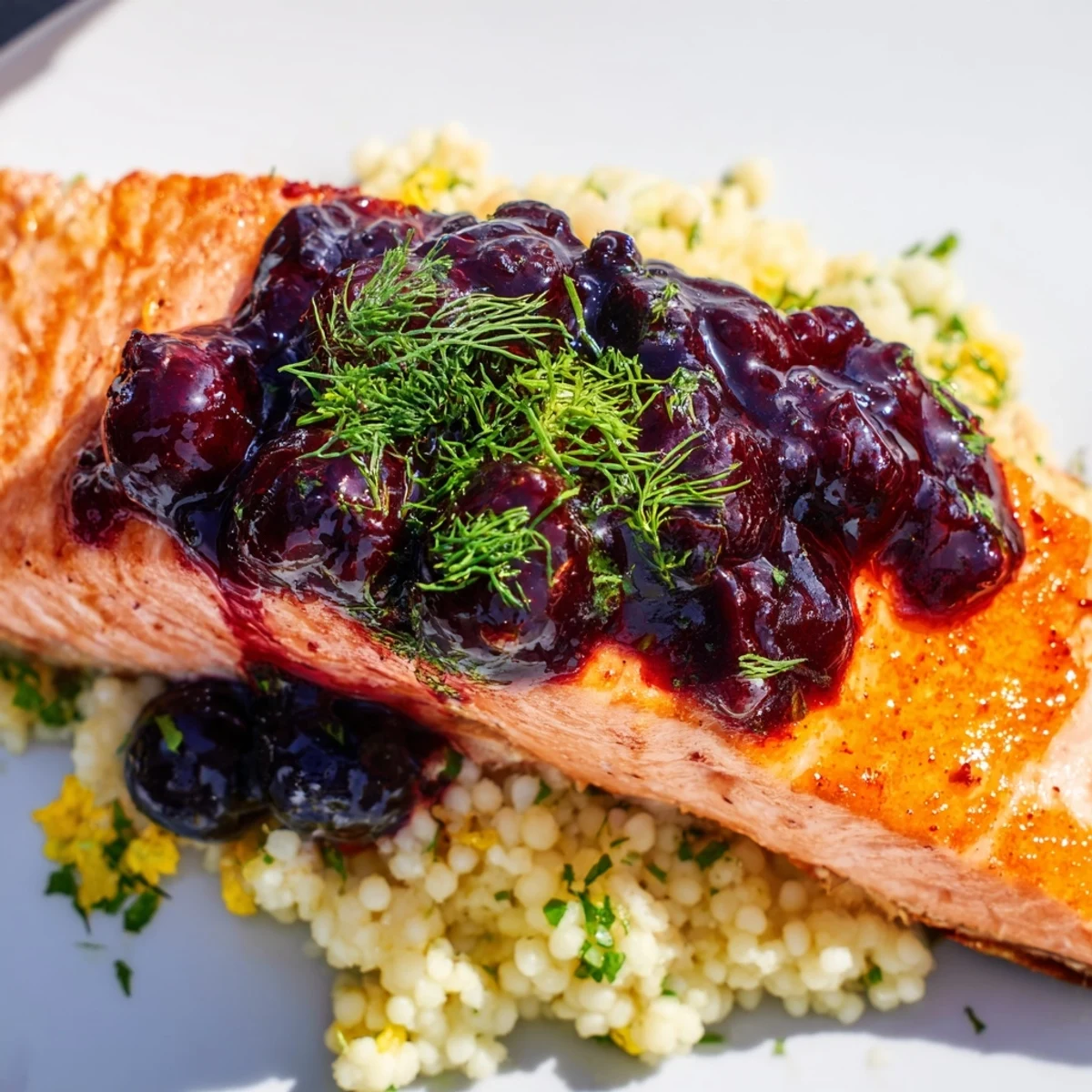
Save This recipe turned a random Tuesday into something special. My daughter helped me smash the blueberries and loved seeing the purple streaks on the salmon. Cooking together made the meal taste even better.
Choosing the Right Salmon
I have learned that wild salmon holds up better to glazes than farmed varieties. The firmer texture prevents the fish from falling apart when you brush on the sauce. King and sockeye salmon work beautifully with the bold blueberry flavor.
Making the Glaze Ahead
The blueberry glaze keeps perfectly in the refrigerator for three days. I often double the batch and use the extra on grilled chicken the next night. Reheat it gently with a splash of water to restore the consistency.
Perfecting the Couscous
Couscous seems simple but small mistakes make it gummy. Never uncover the pot during those five minutes of steaming. The trapped steam is what keeps each grain separate and fluffy.
- Use a fork rather than a spoon to fluff the finished couscous
- Add the fresh herbs just before serving so they stay vibrant
- A splash more lemon juice wakes up leftovers the next day
 Save
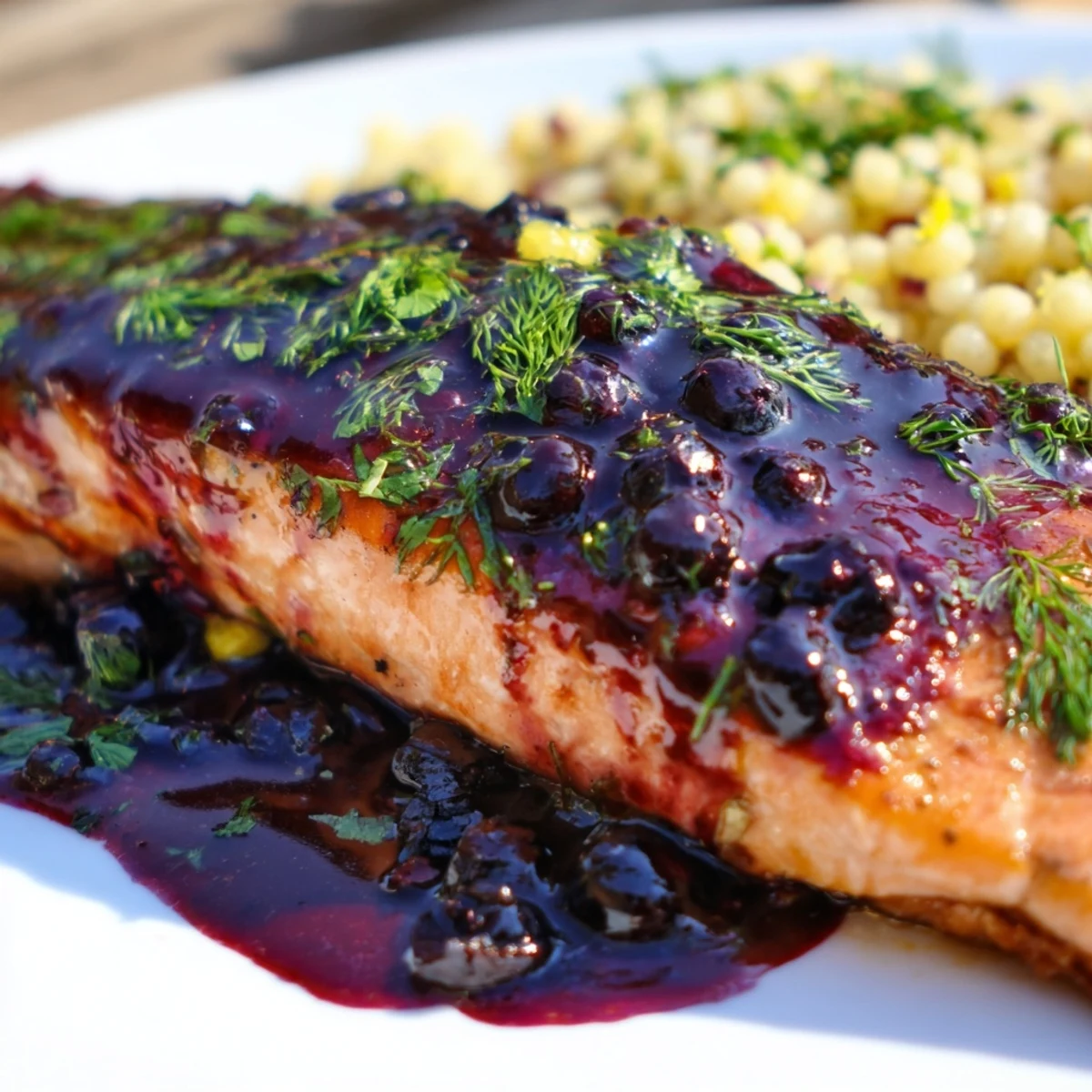
Save This dish proves that fruit and fish belong together. Every bite of sweet-tart glaze with tender salmon feels like discovering something new.
Recipe FAQs
- → How do I make the blueberry glaze smooth?
-
After simmering, mash the berries gently and strain the sauce through a fine sieve to remove solids for a smooth, glossy glaze.
- → Can I prepare the lemon herb couscous without fresh herbs?
-
Dried parsley and dill can be used, but fresh herbs provide a brighter, more vibrant flavor in the couscous.
- → What is the best way to cook salmon for this dish?
-
Sear the salmon fillets skinless in olive oil until golden, then brush with glaze and finish baking in the oven for tenderness.
- → Can I substitute another grain for couscous?
-
Yes, quinoa or brown rice make excellent alternatives and can be prepared similarly with lemon and herbs.
- → How should I store leftovers?
-
Keep salmon and couscous refrigerated in separate airtight containers, and reheat gently to preserve texture and flavor.