
 Save
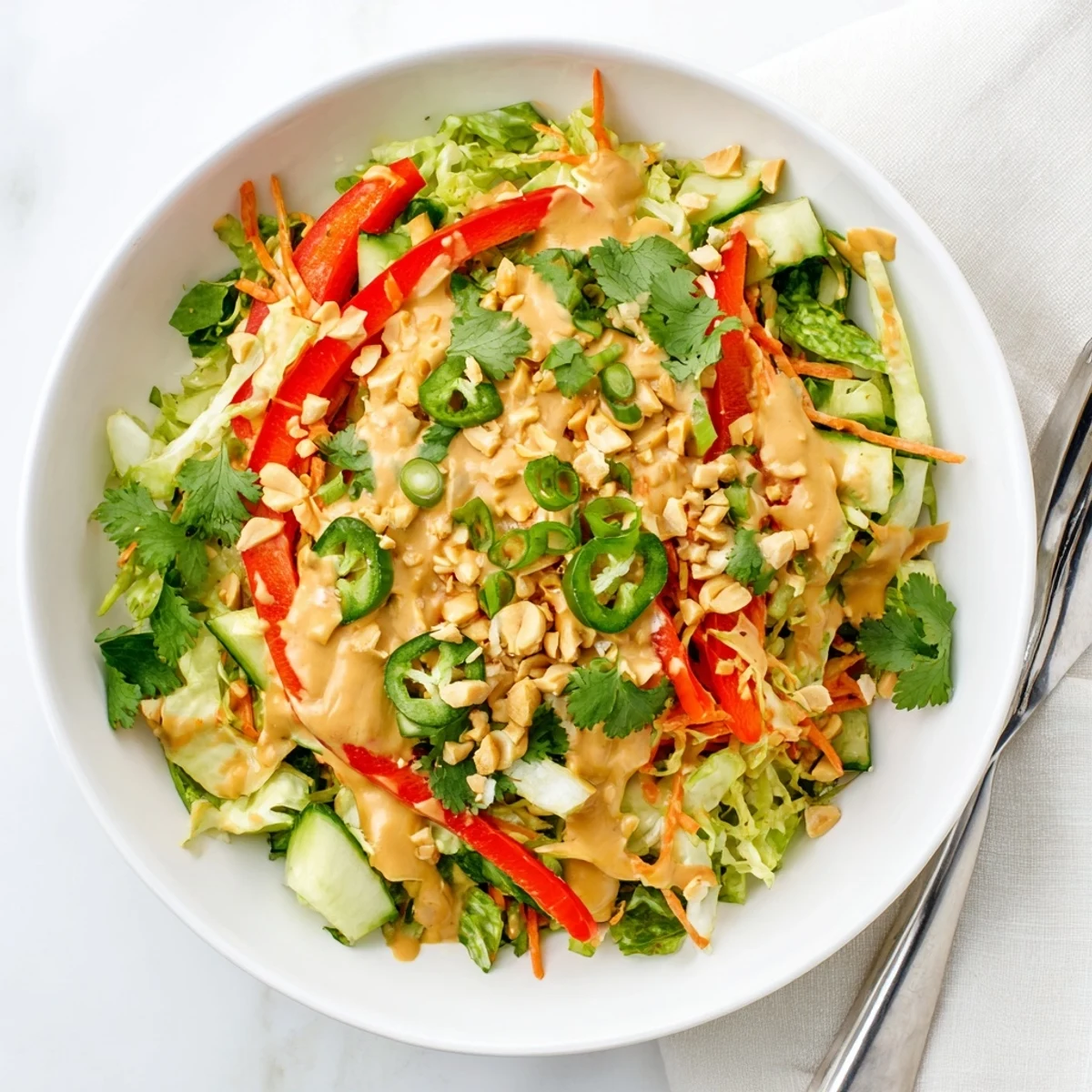
Save This vibrant Thai-style salad combines shredded cabbage, carrots, bell pepper, cucumber, and fresh herbs with a rich, creamy peanut dressing. Ready in just 15 minutes with no cooking required, it's perfect for busy weeknights or meal prep. The dressing balances salty, sweet, and tangy flavors while coating crisp vegetables. Top with roasted peanuts for crunch and fresh cilantro for brightness.
I stumbled into this Thai salad during a sweltering July afternoon when cooking felt impossible. My air conditioner had died, and I was determined to eat something that didn't require turning on the stove. The first time I made it, I stood over the kitchen counter eating it straight from the bowl, surprised at how a 15-minute assembly could taste so intentional.
Last summer my sister came over exhausted from work, and I made this for her without saying much. She took three bites and looked up, genuinely surprised that something so simple could hit so many notes at once. Now she texts me every time she discovers a new vegetable to add to the mix.
Ingredients
- Shredded green cabbage: I buy the bagged pre-shredded kind when I'm rushing, but hand-shredded has this satisfying crunch that makes it worth the extra five minutes
- Shredded carrots: These bring natural sweetness that balances the salty peanut sauce, and I use a box grater or food processor for quick, even shreds
- Red bell pepper: Thin is the key here, almost paper-thin slices, so they meld with the other textures instead of standing out
- Cucumber: Julienned adds this incredible fresh crunch, but sometimes I just chop it into small irregular pieces when I'm feeling lazy
- Green onions: I slice these thin and include some of the green tops for color and a mild onion flavor
- Fresh cilantro: Whole leaves, not chopped, so you get these bright herbal bursts as you eat
- Roasted peanuts: Roughly chopped means some pieces are bigger than others, which I actually prefer for the texture variation
- Creamy peanut butter: The regular kind works better than natural here, that slight sweetness helps the sauce come together smoothly
- Soy sauce: This is your salt source, so taste as you go and remember you can always add more
- Lime juice: Fresh squeezed matters, that bright acidity cuts through the rich peanut butter
- Honey or maple syrup: Just enough to round out the sharp edges, not enough to make it taste like dessert
- Rice vinegar: Subtle acidity that's gentler than other vinegars, almost disappears into the sauce
- Toasted sesame oil: A little goes a long way, this is the perfume that makes it taste like takeout
- Garlic clove: Fresh minced is worth it, jarred garlic has this weird aftertaste I can never unnotice
- Warm water: This is your texture control, add it slowly until the sauce pours like warm honey
- Chili flakes or sriracha: Optional but I recommend it, even a tiny bit wakes everything up
Instructions
- Prep your vegetables:
- I use my biggest bowl because I know I'll need room to toss everything together later without making a mess
- Whisk the sauce base:
- The peanut butter will resist at first, keep whisking and it suddenly transforms into this glossy, cohesive mixture
- Adjust the thickness:
- Add water one tablespoon at a time, I've ruined the texture before by dumping it in all at once
- Combine and toss:
- Pour the sauce over the vegetables and use tongs or salad servers to coat everything evenly
- Finish with toppings:
- The peanuts and cilantro go on last so they stay vibrant and don't get lost in the sauce
 Save
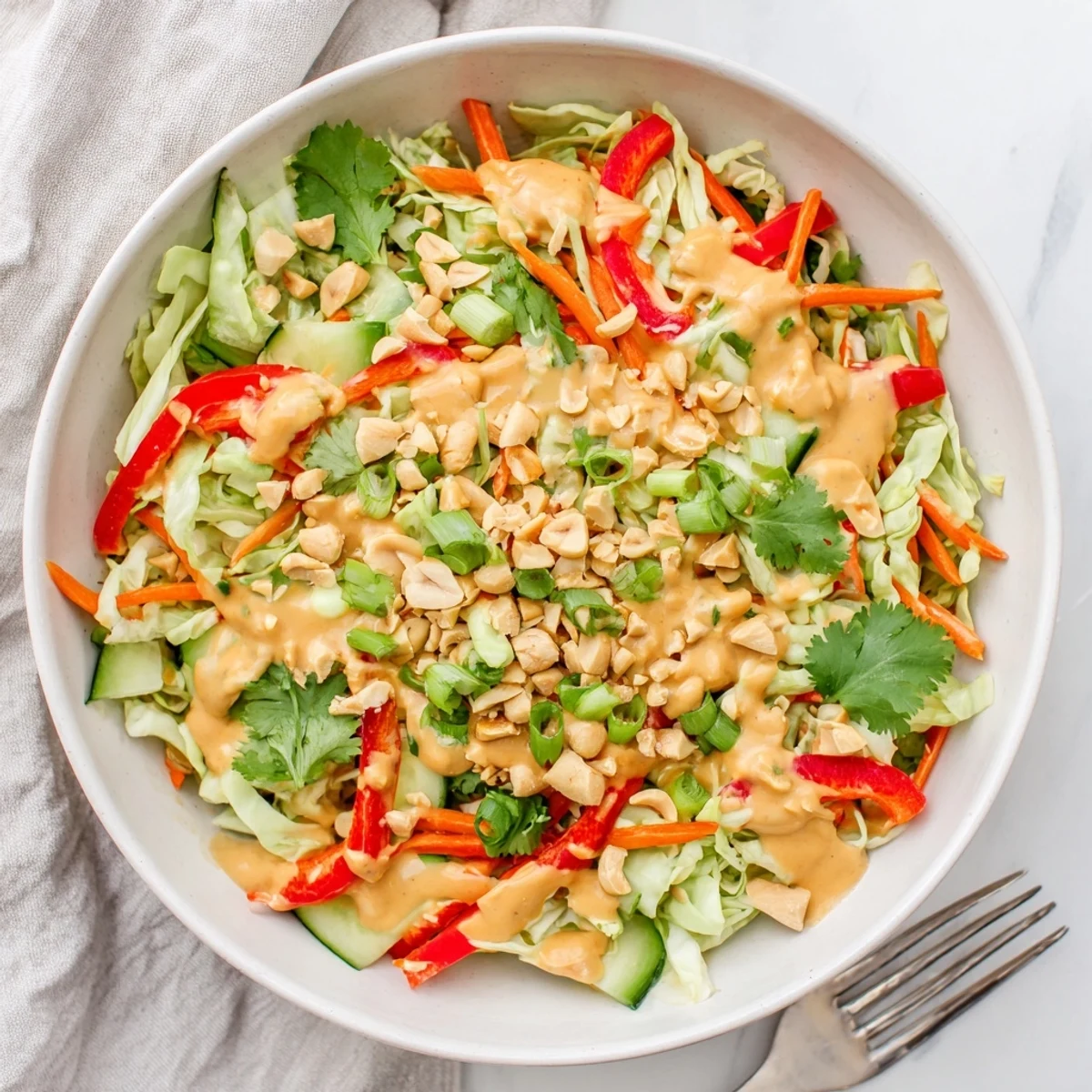
Save This became my default contribution to potlucks after I watched my friend Michelle go back for thirds without realizing she'd eaten three servings. Something about the combination of cool crisp vegetables and that rich, savory sauce makes people forget they're eating salad.
Make It Your Own
I started adding shredded purple cabbage when I want the salad to look as good as it tastes. Sometimes I throw in edamame or shredded Brussels sprouts for extra protein and variation. The sauce works with almost any crunchy vegetable you have in the crisper drawer.
Protein Additions
Grilled chicken sliced thin turns this into a complete meal, and I've also used crispy tofu cubes that I've pan-fried first. Shrimp works beautifully if you sear them quickly in a hot skillet with just salt and garlic. Even hard-boiled eggs, chopped and scattered on top, make it feel more substantial.
Sauce Variations
My sister swaps the peanut butter for almond butter when she needs a break from peanuts, and honestly it's just as good. A tablespoon of fresh grated ginger adds this warmth that's perfect for colder months. Sometimes I'll add a teaspoon of fish sauce for depth, though that changes it from vegetarian.
- Double the sauce recipe and keep leftovers in the fridge, it lasts for weeks and works as a dip too
- If the sauce separates, just whisk in a tiny splash of warm water to bring it back together
- This recipe doubles easily for a crowd, just use an enormous bowl
 Save
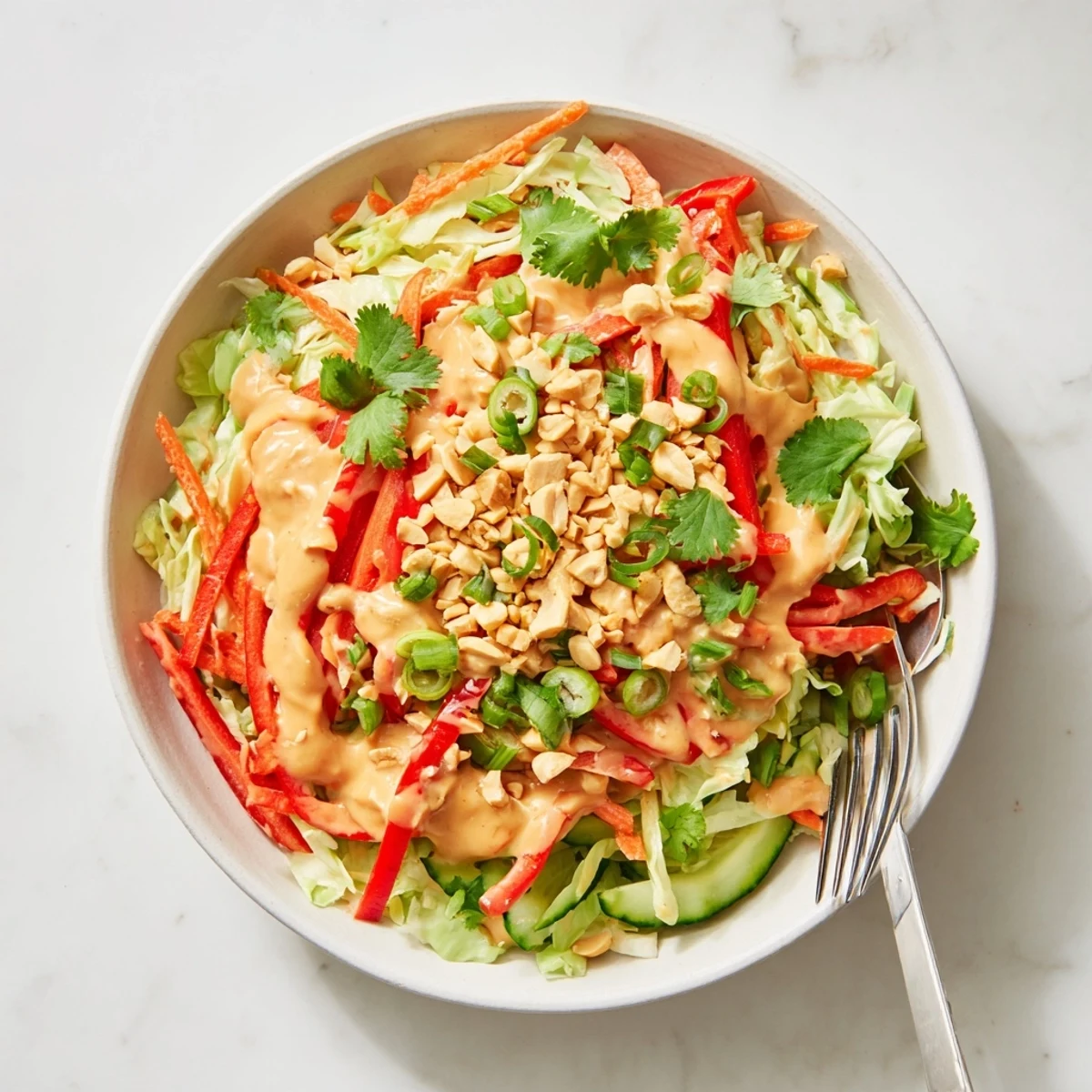
Save This is the recipe I make when I want to feel like I'm taking care of myself properly, even on days when I have zero energy to cook. Something about eating something this vibrant and fresh makes everything else feel a little more manageable.
Recipe FAQs
- → Can I make this salad ahead of time?
-
Prepare vegetables and store them separately from the dressing. The peanut sauce can be made up to 3 days ahead and kept refrigerated. Toss everything together just before serving to maintain crispness.
- → Is this dish suitable for vegetarians?
-
Yes, this salad is completely vegetarian. Ensure your soy sauce is gluten-free if needed. The peanut sauce provides protein while vegetables offer vitamins and crunch.
- → How can I add more protein?
-
Grilled chicken, baked tofu, or cooked shrimp make excellent additions. You can also add edamame, chickpeas, or increase the amount of peanuts for plant-based protein options.
- → Can I adjust the spice level?
-
Absolutely. Start with 1/2 teaspoon of chili flakes and taste before adding more. Sriracha works well too, or skip the heat entirely for a milder version that still delivers great flavor.
- → What vegetables work best?
-
Shredded cabbage and carrots provide the base crunch. Add thinly sliced bell peppers, cucumber, snap peas, or mung bean sprouts. The combination is flexible based on what's available or in season.