
 Save
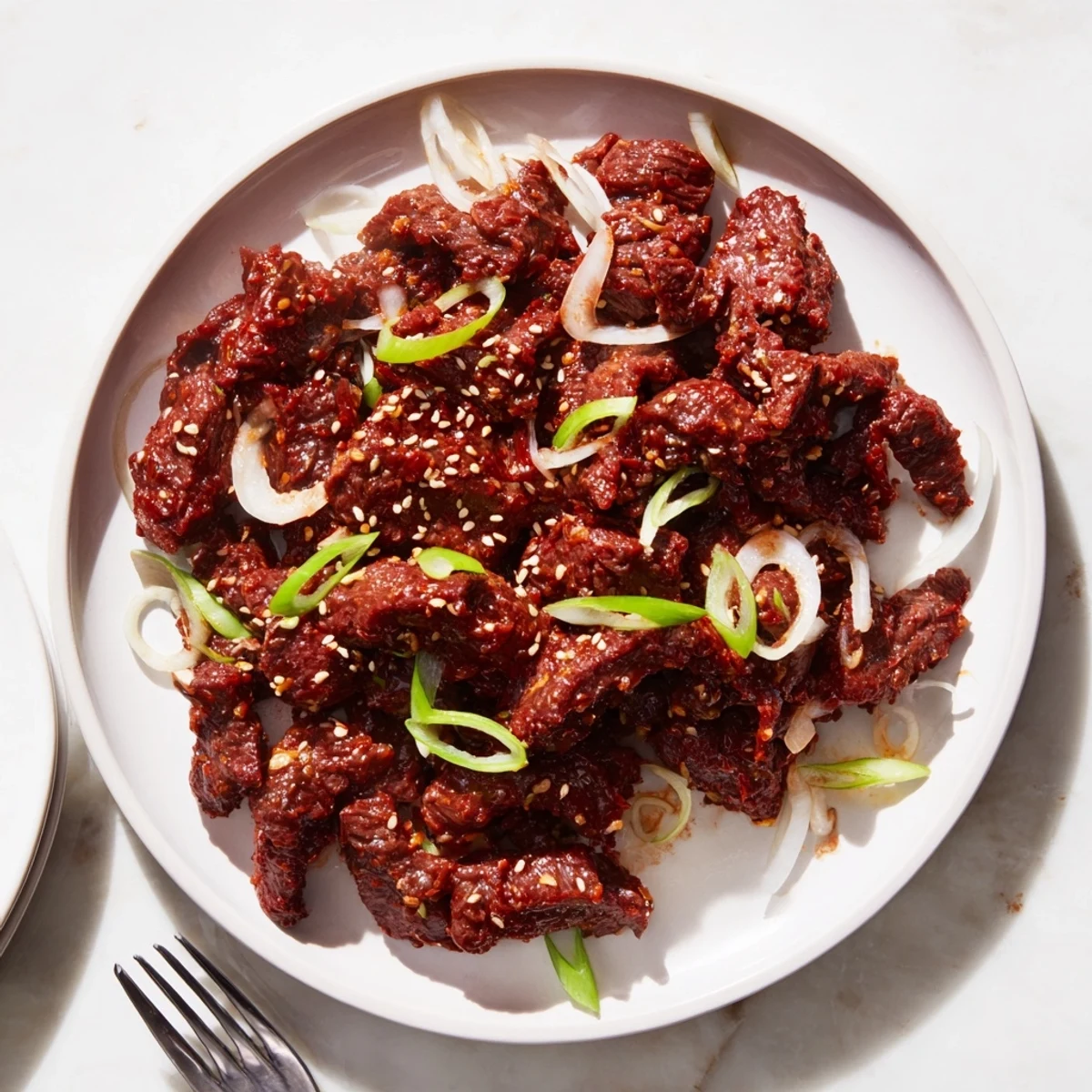
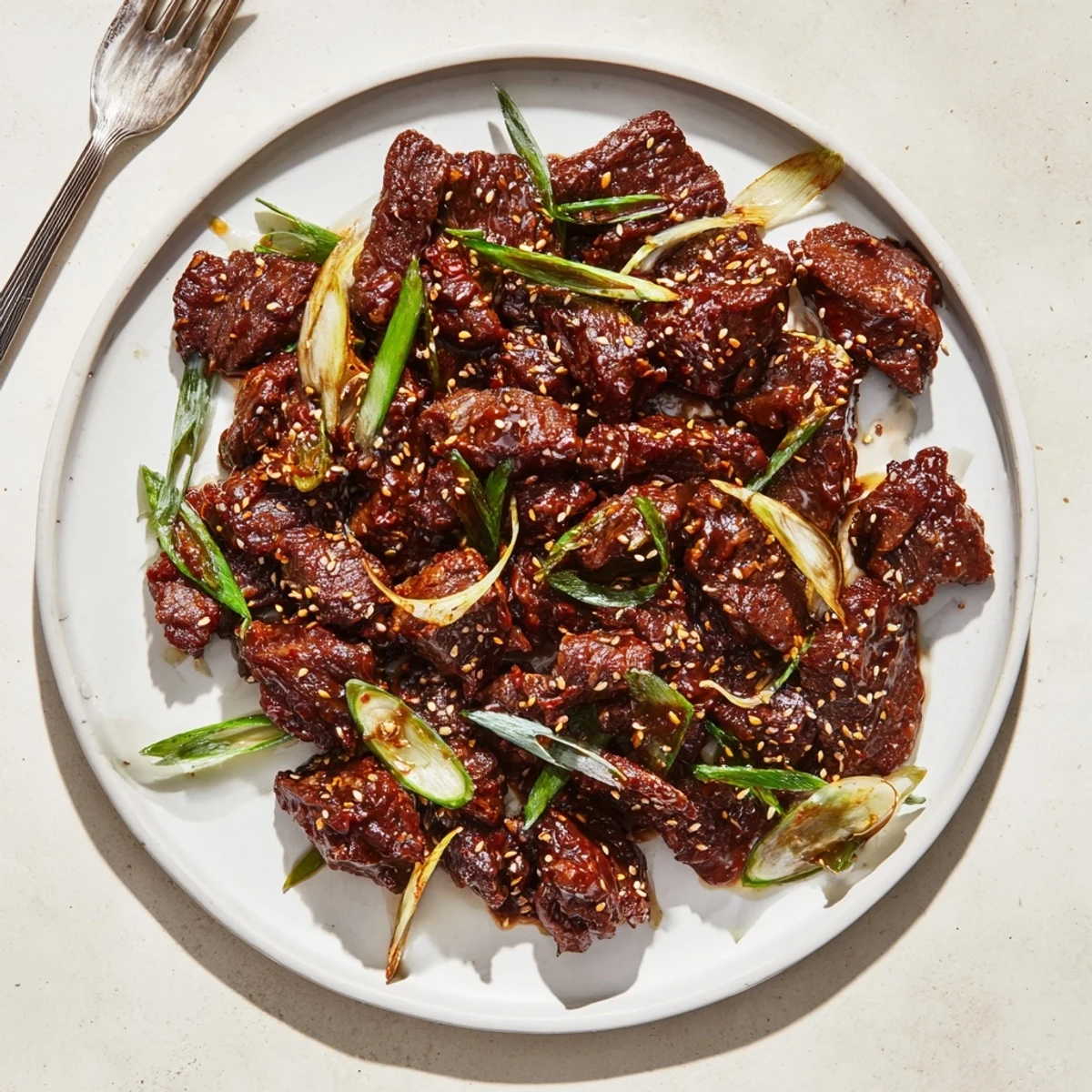
Save This slow cooker Korean beef transforms an inexpensive chuck roast into incredibly tender, flavorful meat that shreds easily. The sauce combines soy sauce, brown sugar, sesame oil, garlic, ginger, and gochujang Korean chili paste for that perfect balance of savory, sweet, and mildly spicy flavors. After 8 hours on low, the beef practically falls apart and absorbs all the rich, umami-packed sauce. Serve it over steamed jasmine rice for a comforting bowl, or go traditional with crisp butter lettuce wraps. The dish reheats beautifully and actually tastes better the next day as the flavors continue to develop.
The first time I made this Korean beef, my apartment smelled so incredible that my neighbor actually knocked on my door to ask what I was cooking. I had discovered this recipe during a particularly busy season when I needed something that would basically cook itself, but I never expected it to become the kind of dish people beg me to make for gatherings. There is something magical about how the beef transforms in the slow cooker, becoming so tender it falls apart at the slightest touch.
I served this at a dinner party last winter and watched my usually quiet friend absolutely demolish three helpings, pausing only to demand the recipe. The best part was seeing everyone customize their bowls some piled it high with kimchi, others wrapped it in crisp lettuce cups like little Korean tacos. Now whenever I invite people over, someone inevitably asks if the Korean beef is making an appearance.
Ingredients
- 2 lbs beef chuck roast: Chuck roast has the perfect marbling for slow cooking, becoming impossibly tender while still holding its shape enough to shred beautifully
- 1/2 cup low-sodium soy sauce: Using low-sodium lets you control the salt level since the sauce reduces and concentrates during cooking
- 1/3 cup brown sugar: This creates that characteristic Korean style sweetness and helps caramelize the beef
- 1/4 cup sesame oil: Toasted sesame oil adds that unmistakable nutty aroma that screams Korean cuisine
- 4 cloves garlic: Fresh garlic is non negotiable here, nothing beats the real thing
- 1 tablespoon fresh ginger: Grate it yourself instead of using paste for brighter, cleaner flavor
- 1/4 cup rice vinegar: Cuts through the richness and adds subtle brightness
- 2 tablespoons gochujang: This Korean chili paste brings depth and gentle heat without overwhelming the dish
- 1 medium onion: Thinly sliced onion melts into the sauce as it cooks, adding natural sweetness
- 1 tablespoon cornstarch: Optional thickener if you prefer a more glaze like consistency
Instructions
- Prep your beef:
- Cut the chuck roast into uniform 2-inch pieces so everything cooks evenly and toss them into the slow cooker with the sliced onions
- Whisk the sauce:
- Combine all the sauce ingredients in a bowl, whisking until the brown sugar completely dissolves
- Coat and cook:
- Pour that gorgeous sauce over the beef, give everything a gentle toss to coat, then cover and let the slow cooker work its magic for 8 hours on low or 4 hours on high
- Thicken if desired:
- If you want a thicker sauce, whisk the cornstarch with water and stir it in during the last 30 minutes of cooking
- Shred and serve:
- Use two forks to shred the beef right in the cooker, then top with green onions and extra sesame seeds before serving over steamed rice or in lettuce cups
 Save
Save This recipe became my go to for new parents and friends recovering from surgery because it freezes beautifully and reheats like a dream. There is something deeply comforting about dropping off a container of this beef, knowing it will provide multiple meals with almost zero effort on their end. The last time I delivered a batch, my friend texted me three days later asking if I had an emergency supply because her family had already finished it all.
Making It Your Own
I have played around with this recipe enough to know that you can absolutely swap honey for the brown sugar if that is what you have in your pantry. The flavor changes slightly but it still works beautifully. Sometimes I add a splash of rice wine or mirin for extra depth, and once I threw in some star anise just to experiment, which gave it this incredible subtle floral note.
Serving Ideas
While rice is classic, this beef is amazing in so many ways. I have served it in steamed bao buns with quick pickled cucumbers, tucked into corn tortillas with kimchi for Korean Mexican fusion, and even piled onto baked sweet potatoes. The leftovers make the most incredible fried rice the next day, just add some scrambled egg and whatever vegetables you have on hand.
Make Ahead Strategy
This is arguably the best make ahead dish in my repertoire because the flavors deepen and develop overnight in the refrigerator. I often make it on Sunday, let it cool completely, and portion it into containers for effortless lunches throughout the week. The sauce thickens as it chills, so just add a splash of water when reheating.
- Freeze portions in freezer bags laid flat for faster thawing
- Reheat gently on the stove with a splash of water to loosen the sauce
- The beef keeps for up to 5 days in the refrigerator, though it rarely lasts that long
 Save
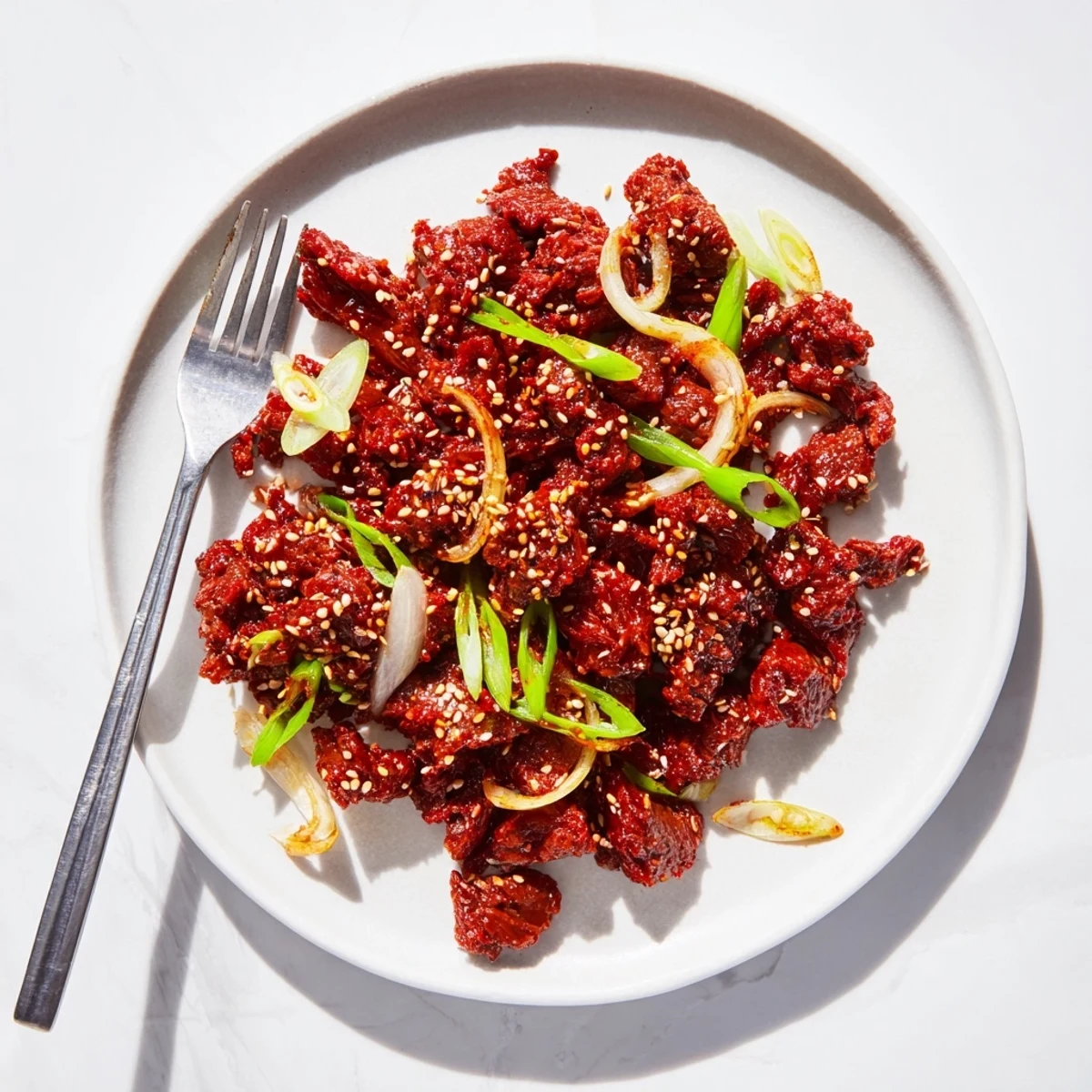
Save There is nothing quite like coming home after a long day to the aroma of this beef filling your entire apartment, knowing dinner is already done and waiting.
Recipe FAQs
- → What cut of beef works best?
-
Chuck roast is ideal because it becomes tender and shreddable after long cooking. Brisket or round roast also work well.
- → Can I make this spicier?
-
Increase the gochujang to 3 tablespoons or add red pepper flakes. You can also add sriracha when serving for extra heat.
- → How do I store leftovers?
-
Refrigerate for up to 3 days in an airtight container. The flavors actually improve overnight. Freeze for up to 3 months.
- → What should I serve with this?
-
Steamed white or brown rice, cauliflower rice for low-carb, or wrap in butter lettuce leaves. Pair with kimchi and pickled vegetables.
- → Can I use a pressure cooker instead?
-
Yes, cook on high pressure for 45-50 minutes, then natural release for 10 minutes. The sauce may need reducing on sauté mode.