
 Save
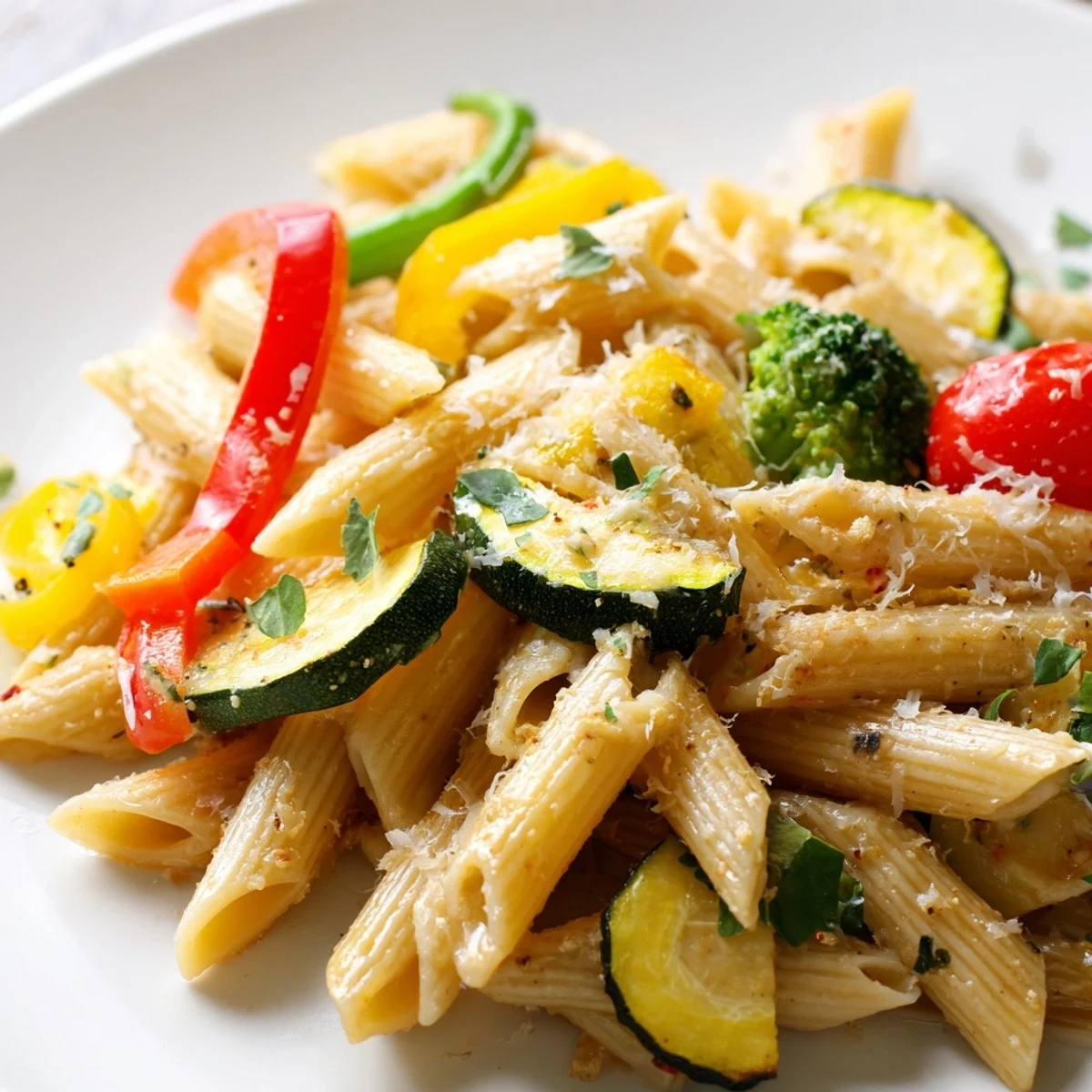
Save This Italian classic brings together perfectly cooked pasta and an array of fresh spring vegetables. Zucchini, yellow squash, bell pepper, broccoli florets, cherry tomatoes, and sugar snap peas create a colorful medley that's both nutritious and satisfying.
The light sauce features extra virgin olive oil, garlic, vegetable broth, and fresh lemon juice, finished with Parmesan cheese and fragrant herbs. Ready in just 40 minutes, this vegetarian dish offers restaurant-quality results with simple techniques.
Perfect for weeknight dinners or casual entertaining, the versatile nature allows for protein additions like chicken or chickpeas, while maintaining its authentic Italian essence.
The first time I made pasta primavera, I was trying to use up an overflowing farmers market haul before everything went bad. My tiny apartment kitchen smelled incredible as all those spring vegetables hit the hot olive oil. I ended up calling my neighbor over to help me eat it, and we sat on the floor sharing bowls and talking until midnight. That impromptu dinner taught me that the best meals often come from moments of abundance and spontaneous hospitality.
Last spring, my sister came to visit during peak asparagus season, and we made this primavera with whatever we found at the morning market. We stood at the stove together, sipping wine and adding vegetables to the pan as we prepped them, letting the dish evolve organically. The kitchen filled with garlic and fresh herbs, sunlight streaming through the window. She still asks me to make it whenever she visits, calling it our vegetable catching up dinner.
Ingredients
- 400 g penne or spaghetti: I prefer penne because those ridges catch every bit of sauce and the vegetables nestle inside perfectly
- 1 small zucchini and yellow squash: Slice them thin so they cook quickly and maintain a slight crunch, never mushy
- 1 red bell pepper: Julienned into strips that curl slightly in the heat, adding sweetness and gorgeous color contrast
- 1 cup cherry tomatoes: They burst open in the pan, releasing their juices to create little pockets of brightness throughout the dish
- 1 cup sugar snap peas: Leave them whole for satisfying crunch against the tender pasta
- 1 cup broccoli florets: Cut them small so they cook in the same time as the other vegetables
- 3 tablespoons extra virgin olive oil: This is your cooking fat and sauce base, so use something you really like the taste of
- 3 cloves garlic: Minced finely so it infuses the oil without burning
- 1/2 teaspoon crushed red pepper flakes: Optional but adds this gentle warmth that makes all the vegetables sing
- 1/2 cup vegetable broth: Creates a silky sauce that clings to the pasta without being heavy
- Juice of 1 lemon: Brightens everything and cuts through the olive oil beautifully
- 1/4 cup grated Parmesan cheese: Adds umami depth and helps the sauce coat each strand of pasta
- Fresh basil and parsley: Chop them right before adding so their oils remain vibrant and aromatic
Instructions
- Get your pasta water going first:
- Bring a large pot of generously salted water to boil. You want it tasting like the ocean, because this is your only chance to season the pasta itself.
- Cook the pasta until just al dente:
- Boil according to package directions, then drain and reserve that precious 1/2 cup of starchy pasta water. This liquid gold will help your sauce come together later.
- Warm the olive oil and bloom the garlic:
- Heat the oil in your largest skillet over medium heat, add the garlic and red pepper flakes if using, and let it sizzle for just one minute until fragrant but not browned.
- Start the harder vegetables first:
- Add zucchini, squash, bell pepper and broccoli to the pan. Sauté for 4 to 5 minutes, stirring occasionally, until they are just tender and starting to pick up some color.
- Add the quick cooking vegetables:
- Toss in cherry tomatoes and sugar snap peas. Cook another 2 to 3 minutes until the tomatoes begin to blister and burst.
- Create the sauce:
- Pour in the vegetable broth and lemon juice, let everything simmer for 2 minutes, then season with salt and plenty of black pepper.
- Bring it all together:
- Add the cooked pasta to the skillet along with the Parmesan and a splash of that reserved pasta water. Toss vigorously until the sauce coats each piece and looks glossy and inviting.
- Finish with fresh herbs:
- Stir in the basil and parsley, taste and adjust seasoning, then serve immediately with extra Parmesan at the table.
 Save
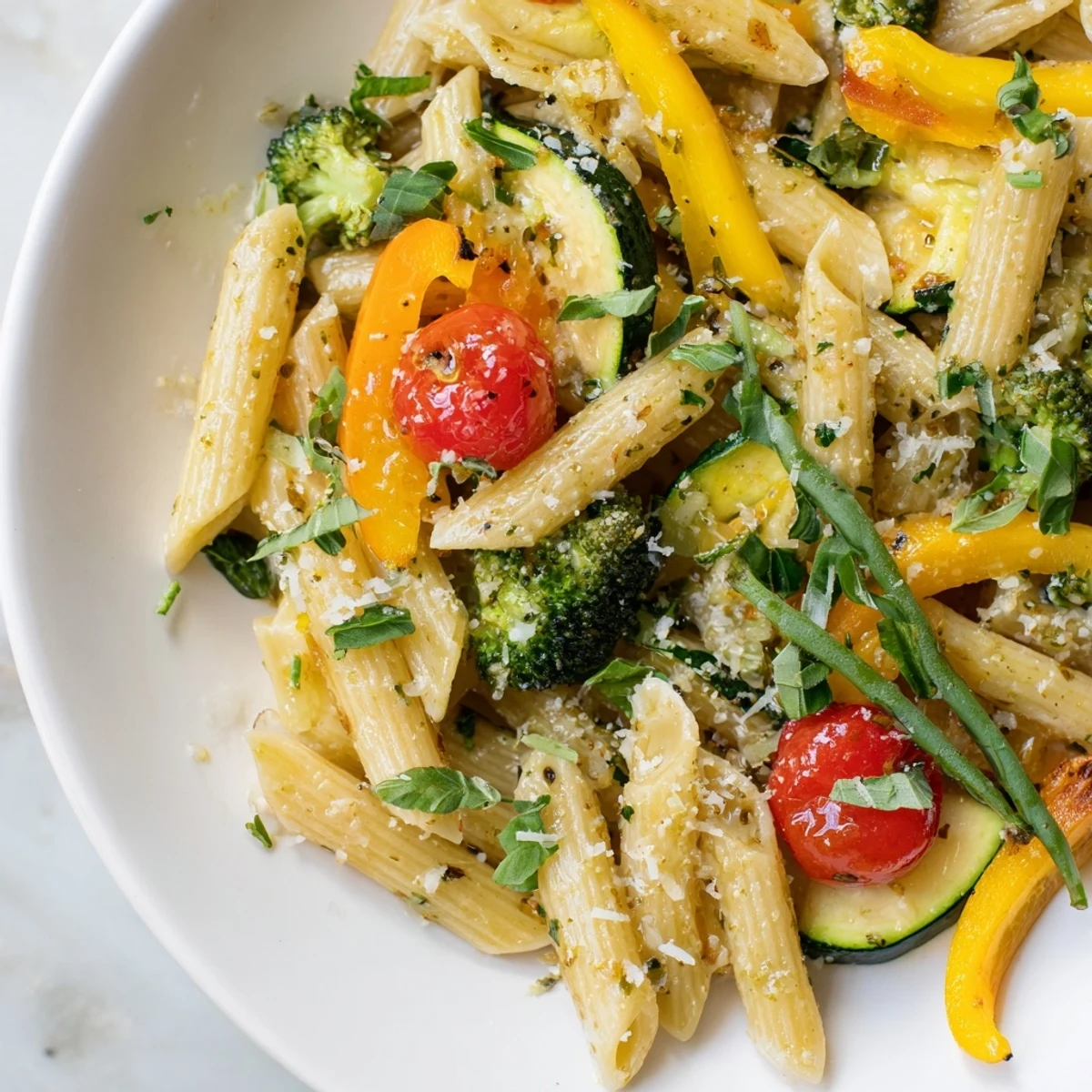
Save I once made this for a dinner party where I forgot to buy cherry tomatoes and had to use regular ones chopped into chunks. The dish still worked beautifully, which taught me that pasta primavera is more of a template than a strict recipe. Now I make it with whatever looks best at the market, knowing the method will carry whatever vegetables I choose. That flexibility is what keeps this recipe in regular rotation at my house.
Choosing Your Vegetables
The secret to great primavera is selecting vegetables that cook at similar rates, or adding them to the pan in the right order. I have learned the hard way that dense vegetables like carrots need more time than delicate asparagus. Think about color too, the more variety you have, the more stunning the final dish looks on the plate.
Making It Your Own
Sometimes I add a handful of arugula at the very end for peppery fresh notes, or top with toasted pine nuts for crunch. During summer, fresh corn kernels cut from the cob add sweetness that everyone loves. The basic method stays the same while the vegetables change with the seasons.
Perfect Pairings
This dish works beautifully alongside a crisp white wine like Pinot Grigio or Sauvignon Blanc, which complement the fresh vegetables without overwhelming them. A simple green salad with vinaigrette balances the pasta, and crusty garlic bread is never a mistake.
- Let the pasta rest for a few minutes before tossing so it absorbs the sauce better
- Grate extra Parmesan right at the table for the best melting texture
- Save some fresh herbs to scatter on top as a finishing touch
 Save
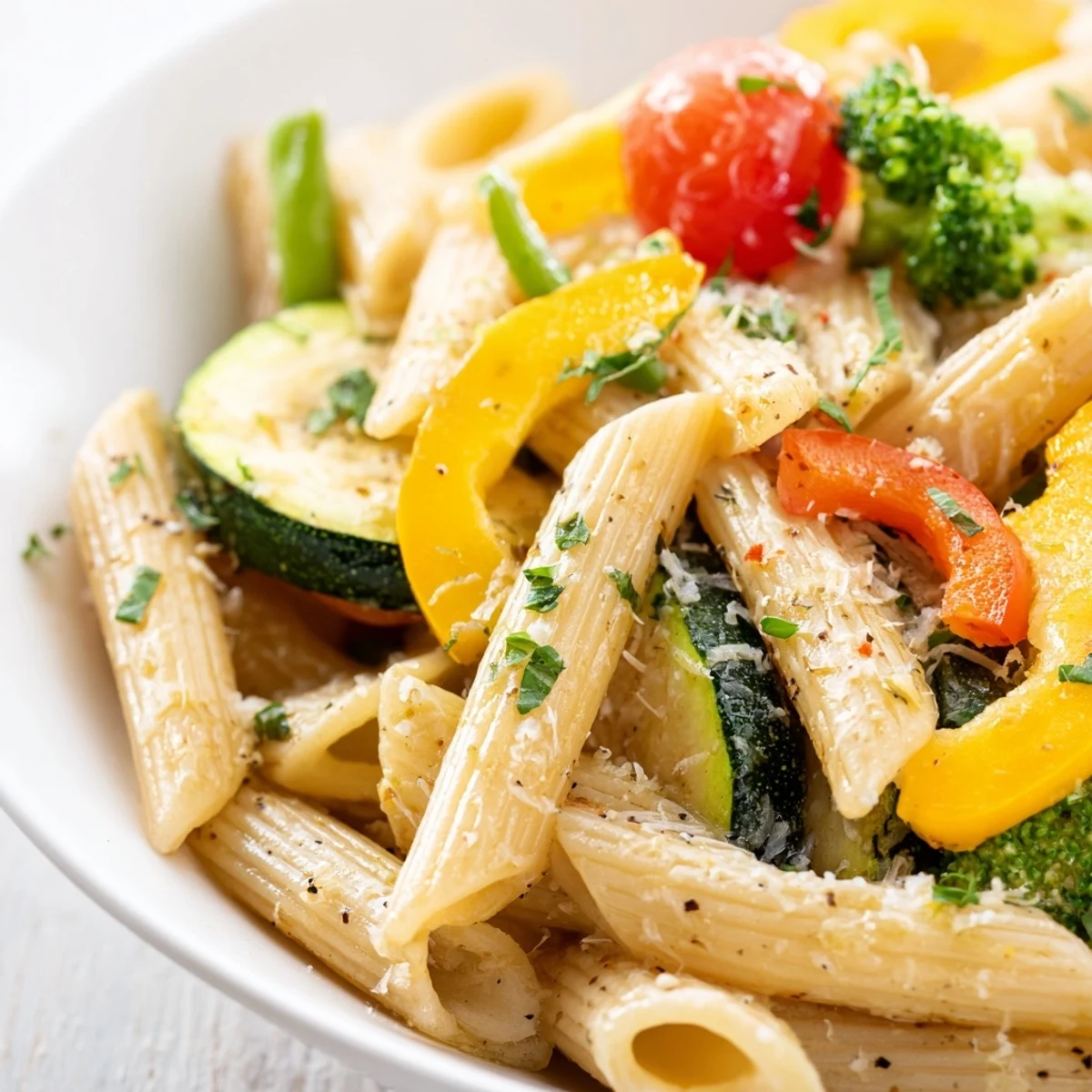
Save There is something deeply satisfying about a bowl of pasta primavera, all those vibrant vegetables tangled together with perfectly cooked noodles. It is the kind of meal that makes you feel nourished and content, like you have done something good for yourself without sacrificing pleasure.
Recipe FAQs
- → What vegetables work best in pasta primavera?
-
Traditional spring vegetables like zucchini, yellow squash, bell peppers, broccoli, cherry tomatoes, and sugar snap peas work beautifully. The key is cutting vegetables uniformly for even cooking.
- → How do I prevent the pasta from becoming mushy?
-
Cook pasta until al dente according to package directions. Reserve some pasta water before draining to help bind the sauce. Add vegetables at different stages based on their cooking times.
- → Can I make this dish ahead of time?
-
Best served immediately while pasta and vegetables retain their texture. If preparing ahead, cook components separately and combine just before serving with a splash of reserved pasta water to refresh.
- → What pasta shapes pair well with the vegetables?
-
Penne or spaghetti work excellently. Short pasta shapes like penne capture vegetables and sauce effectively, while spaghetti provides elegant presentation. Choose based on preference.
- → How can I add more protein to this dish?
-
Grilled chicken, sautéed shrimp, or chickpeas make excellent protein additions. Simply cook the protein separately and toss with the finished pasta primavera before serving.
- → What wine complements this Italian dish?
-
A crisp Pinot Grigio or Sauvignon Blanc pairs beautifully. The wine's acidity complements the lemon and vegetables while cutting through the light olive oil sauce.