
 Save
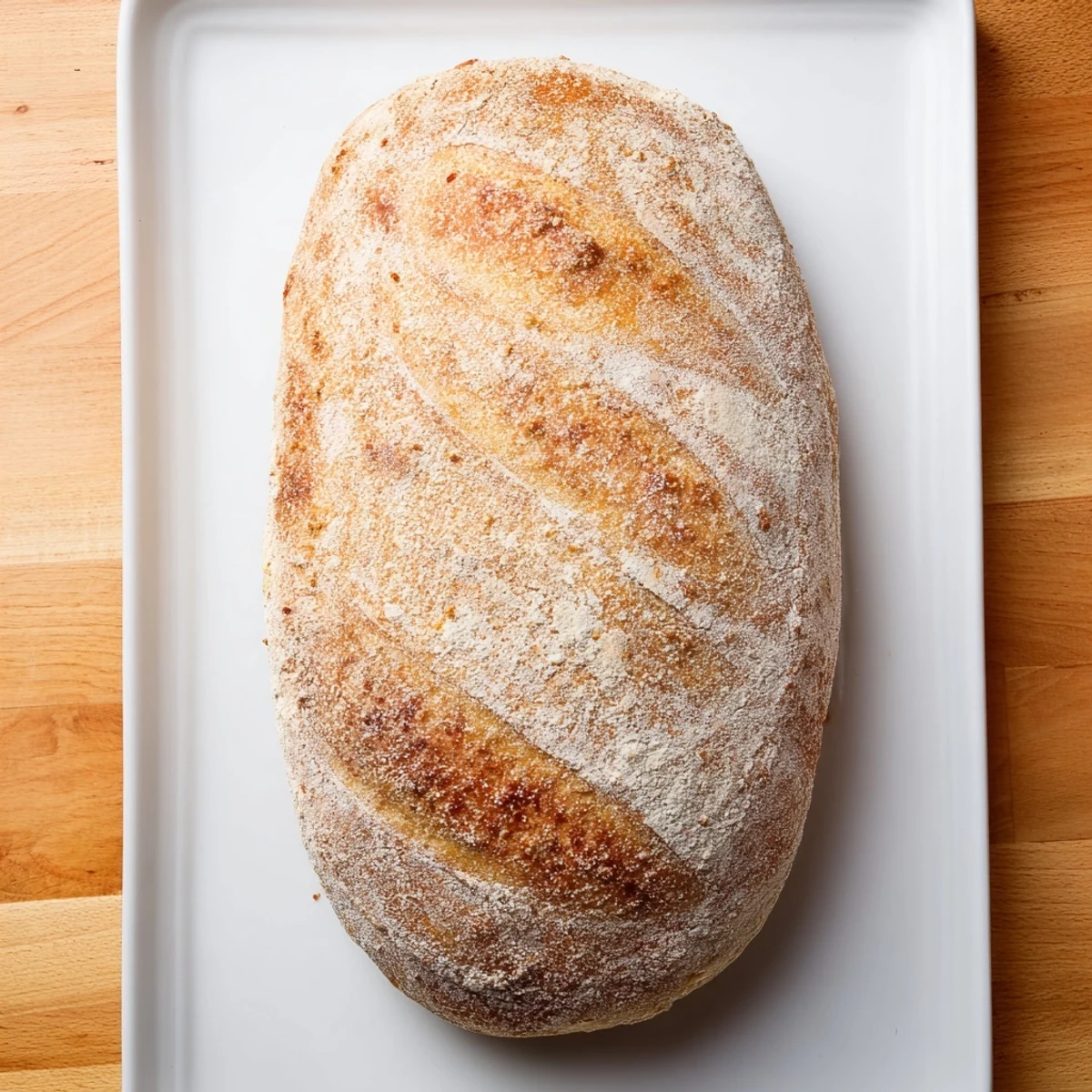
Save Create a classic Italian loaf with a beautifully golden, crackling crust and tender chewy crumb. This traditional bread delivers the perfect texture for sandwiches, absorbs olive oil beautifully, and excels at soaking up sauces and soups.
The process involves simple ingredients—bread flour, yeast, olive oil, and salt—combined through kneading to develop structure. A steam baking technique creates that signature bakery-style crust, while proper rising ensures the perfect airy interior.
Customize with rosemary, thyme, or oregano for added depth. The finished loaf freezes exceptionally well, making it convenient to have fresh-baked quality on hand whenever needed.
Theres something almost magical about the smell of yeast blooming in warm water. I remember standing in my tiny first apartment kitchen, watching that foam form like a science experiment and hoping it would actually work. That first loaf came out dense as a brick, but Ive learned a thing or two since then about letting bread be bread.
Last winter my neighbor knocked on my door asking what smelled so good. I gave her a still-warm slice with just butter, and she stood in my hallway eating it straight from her hand. Sometimes the simplest food creates the best moments.
Ingredients
- Bread flour: Higher protein content gives this bread its signature chew and structure
- Salt: Dont skip this even for a second it balances and strengthens the gluten
- Sugar: Just enough to feed the yeast and help that beautiful golden crust form
- Active dry yeast: The living heart of your bread make sure its fresh and bubbly
- Warm water: Think bath temperature about 105°F anything hotter kills the yeast
- Olive oil: Adds subtle flavor and keeps the crumb tender
- Cornmeal: Optional but creates that bakery-style dusted bottom
Instructions
- Wake up the yeast:
- Dissolve yeast and sugar in warm water watching for that foam to form like magic
- Build your dough base:
- Mix flour and salt in a large bowl creating a well in the center like a little flour volcano
- Bring it together:
- Pour the yeast mixture and oil into the flour well mixing until shaggy and rough looking
- Knead your cares away:
- Turn onto a floured surface and knead for 8 to 10 minutes until smooth elastic and alive under your hands
- Let it rise:
- Place in an oiled bowl cover with a damp towel and find a warm cozy spot for about 1 hour
- Shape your loaf:
- Punch down gently shape into a tight oval and let it rise again for 45 minutes until puffy
- Create the steam bath:
- Preheat oven to 425°F with an empty pan on the bottom rack ready to make some steam
- Score and bake:
- Slash the top with a sharp knife pour hot water in the bottom pan and bake 30 to 35 minutes
- The hard part:
- Cool completely on a wire rack before slicing or youll squash all those beautiful air pockets
 Save
Save My dad always said good bread is worth the wait. Now I keep a loaf on my counter and break off pieces throughout the day exactly like he taught me.
Getting That Perfect Rise
Ive learned that drafty corners are breads worst enemy. Find the warmest spot in your kitchen maybe near a preheating oven or in a sunny patch and protect your dough like its sleeping.
Scoring Secrets
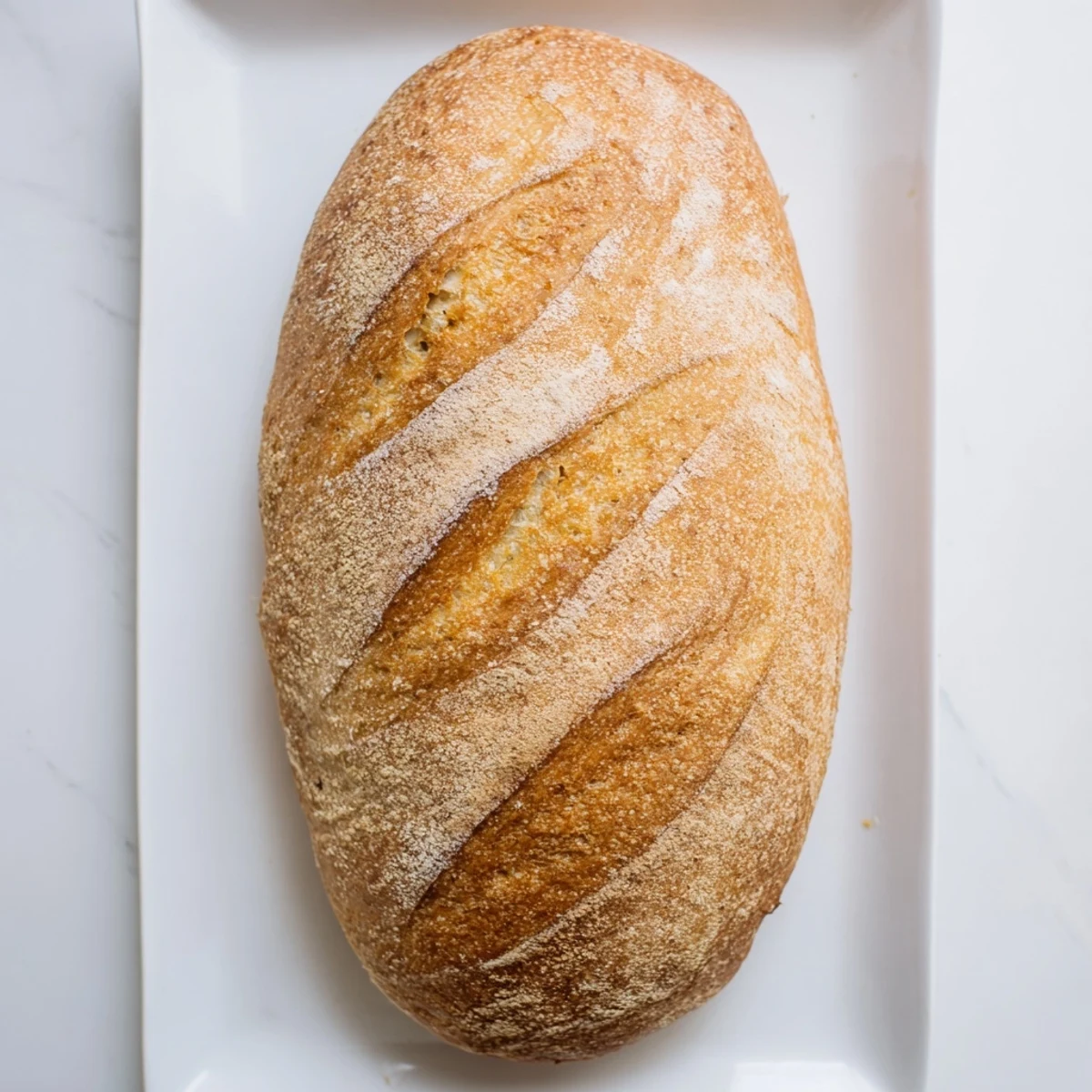
That slash on top isnt just for looks. It tells the bread where to expand as it bakes creating that beautiful artisanal bloom. Hold your knife at a 45-degree angle and cut with confidence.
Serving Suggestions
Slice thick and toast until golden then rub with raw garlic while still hot. Drizzle with your best olive oil and finish with flaky salt.
- Tear chunks for dipping in soups and stews
- Use day-old slices for the ultimate panzanella salad
- Fry thick slices in olive oil for breakfast bruschetta
 Save
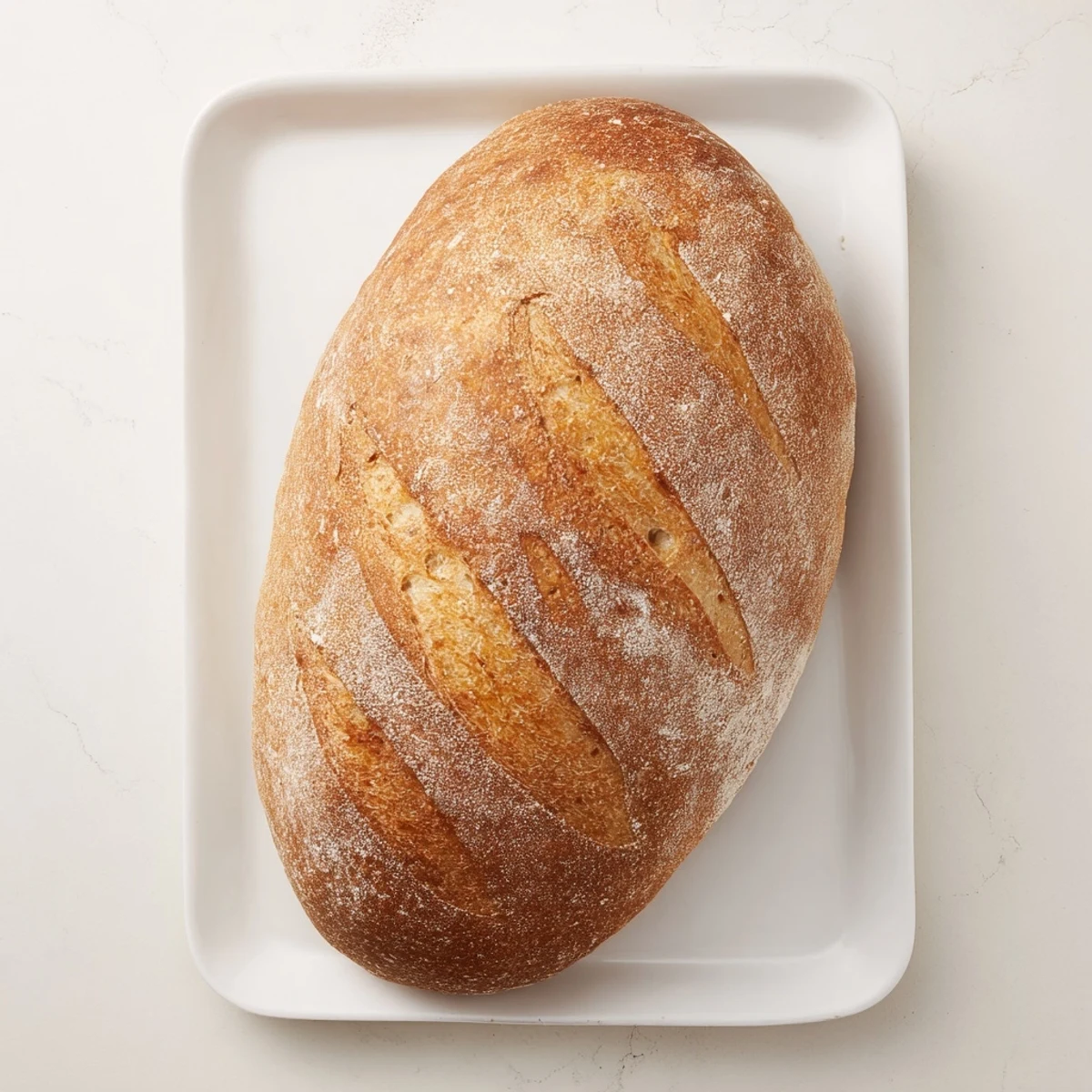
Save Your kitchen is going to smell better than any bakery in town. Grab some butter and enjoy every bite.
Recipe FAQs
- → Why is steam used when baking this loaf?
-
Steam creates the crispy golden crust by keeping the surface moist during initial baking, allowing the bread to expand fully before the crust sets.
- → Can I use all-purpose flour instead of bread flour?
-
Bread flour provides higher protein content for better chew and structure. All-purpose works but yields a slightly softer crumb and less chewy texture.
- → How do I know when the bread is fully baked?
-
The loaf should sound hollow when tapped on the bottom and have a deep golden-brown crust. An instant thermometer inserted into the center should read 190-200°F.
- → Why does the dough need to rise twice?
-
The first rise develops flavor and allows yeast to ferment. The second rise after shaping improves texture and creates the final loaf's structure and volume.
- → Can I add other ingredients like herbs or cheese?
-
Dried herbs such as rosemary, thyme, or oregano blend well into the dough. For cheese additions, consider adjusting flour slightly to maintain proper dough consistency.
- → How should I store the finished loaf?
-
Keep at room temperature wrapped in a cloth or paper bag for 2-3 days. For longer storage, slice and freeze tightly wrapped—thaws beautifully and toasts up perfectly.