
 Save
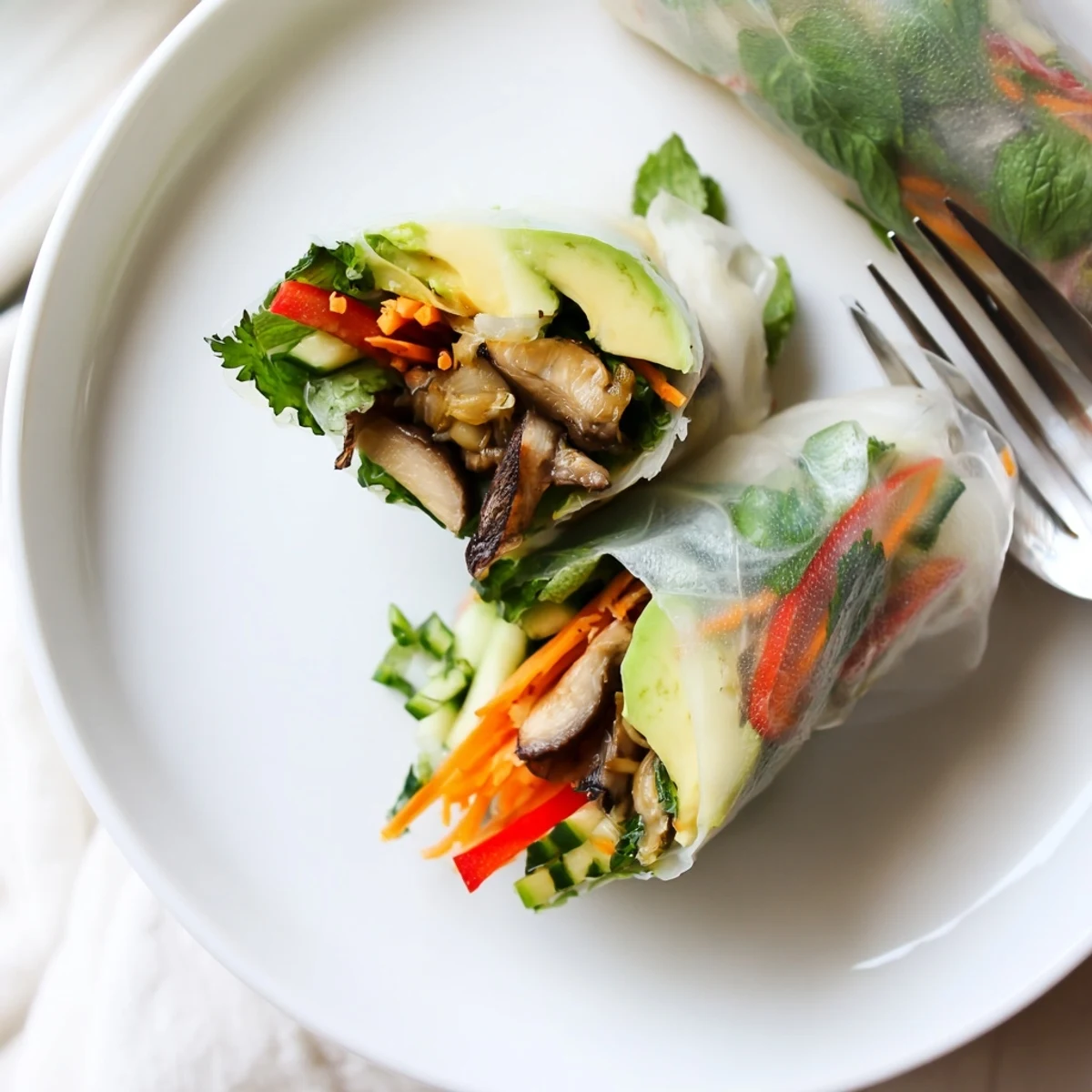
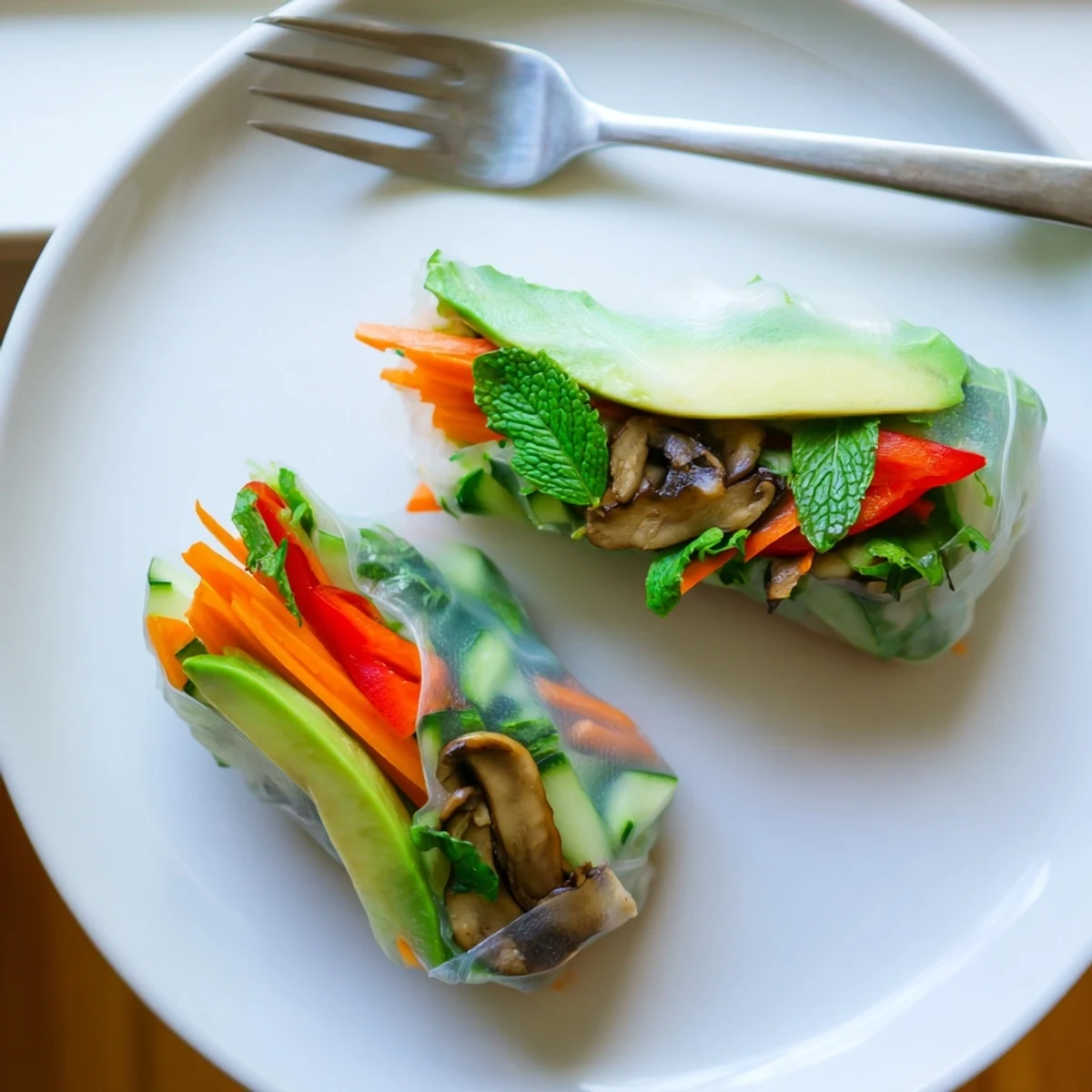
Save These fresh Asian-inspired rolls combine creamy avocado slices with earthy sautéed shiitake mushrooms, julienned carrots, crisp cucumber, and colorful bell pepper. The delicate rice paper wrappers encase a vibrant mix of vegetables and fresh herbs like cilantro and mint. A simple dipping sauce featuring soy sauce, rice vinegar, sesame oil, and ginger adds the perfect savory finish. Each roll delivers a satisfying crunch with fresh, bright flavors perfect for light appetizers or healthy snacking.
The afternoon sun was streaming through my kitchen window when I first attempted spring rolls, and I'll be honest—my first few looked more like burritos that had seen better days. But there's something almost meditative about the process once you find your rhythm, watching these translucent wrappers become delicate packages of crunch and cream.
I made these for a friend who swore she hated mushrooms, and I didn't mention what was inside until she'd already eaten two. She paused mid-bite, fork hovering, and asked what made them so savory. That's the magic of shiitakes—they transform into something completely different when they hit a hot pan.
Ingredients
- 1 ripe avocado, sliced: Choose one that yields slightly to gentle pressure but isn't mushy—it should hold its shape when you tuck it into the roll
- 120 g fresh shiitake mushrooms, stems removed and sliced: These earthy gems become positively meaty when sautéed, adding the umami depth that keeps every bite interesting
- 1 medium carrot, julienned: I use a vegetable peeler to create long, elegant ribbons instead of struggling with perfect knife cuts
- 1 small cucumber, julienned: English cucumbers work beautifully here since they're virtually seedless and stay wonderfully crisp
- 1 small red bell pepper, thinly sliced: This adds a gorgeous pop of color and a subtle sweetness that plays nicely against the savory mushrooms
- 1 cup fresh baby spinach or lettuce leaves: These create a soft green bed that helps anchor all the other ingredients in place
- 2 tbsp scallions, finely sliced: Both the white and green parts work here, bringing a mild onion bite that doesn't overpower
- 8 sheets rice paper (22 cm diameter): Keep a few extras on hand because your first attempt might end up looking like abstract art, and that's perfectly okay
- 2 tbsp fresh cilantro leaves: If you're one of those people who thinks cilantro tastes like soap, basil makes a lovely substitute
- 2 tbsp fresh mint leaves: This is the secret ingredient that makes every roll taste exceptionally bright and surprisingly fresh
- 2 tbsp soy sauce or tamari: Use tamari if you need gluten-free, though I actually prefer its slightly deeper flavor
- 1 tbsp rice vinegar: Adds just enough acidity to cut through the creamy avocado without making the sauce taste sharp
- 1 tsp sesame oil: Toasted sesame oil is worth seeking out for that nutty, aromatic quality that regular oil can't match
- 1 tsp maple syrup or honey: This tiny bit of sweetness balances the salty soy sauce and creates that restaurant-style depth
- 1 tsp grated ginger: Fresh ginger makes all the difference here, bringing warmth and zing that dried ginger simply cannot deliver
- 1 small garlic clove, minced: One clove is plenty—you want the garlic to enhance, not dominate every other flavor
Instructions
- Sauté the shiitake mushrooms:
- Heat a non-stick skillet over medium heat, add the sliced shiitakes, and let them cook undisturbed for a minute or two before stirring—this helps them develop those gorgeous golden edges. Cook for 5-6 minutes total until they're tender and have released all their moisture, then set aside to cool completely.
- Prep your vegetable station:
- Arrange everything in separate little piles on your cutting board or a large platter like you're setting up for an art project. Having everything within arm's reach makes the rolling process feel fluid and graceful rather than frantic.
- Soften the rice paper:
- Fill a shallow dish with warm water and gently dip one rice paper sheet for 10-15 seconds—you want it pliable but not completely limp or it'll tear when you try to work with it. Lay it flat on a clean kitchen towel or cutting board, smoothing out any wrinkles with your fingertips.
- Layer your filling:
- Start with a small handful of spinach or lettuce in the center third of the wrapper, then arrange a few slices of avocado, some sautéed shiitakes, carrot ribbons, cucumber, bell pepper, and scallions on top. Finish with a sprinkle of fresh herbs—don't be tempted to overfill or they'll burst when you roll them.
- Roll it up:
- Fold the bottom edge over the filling, tuck in both sides like you're wrapping a burrito, then roll forward tightly but gently. The rice paper is surprisingly forgiving and will seal itself as it sits, so don't stress about perfection.
- Make the dipping sauce:
- Whisk together the soy sauce, rice vinegar, sesame oil, maple syrup, grated ginger, garlic, and a tablespoon of water in a small bowl until everything is completely smooth. Taste and adjust—the sauce should strike that perfect balance between salty, sweet, and tangy.
- Decide how to serve:
- You can serve them whole for grabbing by hand or slice them diagonally into two or three pieces for a more elegant presentation. Either way, serve immediately with the dipping sauce on the side.
 Save
Save These became my go-to contribution to potlucks after I watched a friend's normally picky seven-year-old demolish three of them and ask if there were more. Sometimes the simplest food wins people over in ways nothing fancy ever could.
The Art of Rice Paper
Rice paper wrappers can feel intimidating if you've never worked with them, but they're remarkably forgiving once you understand their temperament. Think of them as delicate textiles that need gentle handling rather than brute force. If one rips or tears, just set it aside and move on—eventually you'll develop a feel for that perfect moment between too stiff and too soft.
Building Flavor Balance
The secret to these spring rolls isn't any single ingredient but how they all work together—the creamy avocado against the crisp vegetables, the warm earthiness of cooked mushrooms beside bright fresh herbs. When you're assembling, try to include a little bit of everything in each roll so every bite hits all those notes at once.
Make-Ahead Strategy
You can prep all the vegetables and sauté the mushrooms several hours ahead, keeping everything refrigerated in separate containers. The rice paper rolls are best enjoyed within an hour or two of rolling because the texture starts to soften, but if you need to make them further in advance, place each finished roll on a piece of parchment paper and wrap the whole container tightly with plastic wrap to prevent them from drying out or sticking together.
- Place a damp paper towel over finished rolls if you're making a big batch and want to keep them pliable while you work
- These travel surprisingly well if packed snugly in a container—just save the dipping sauce in a separate small jar
- If serving later, cover the container with a slightly damp paper towel before sealing with the lid to maintain perfect texture
 Save
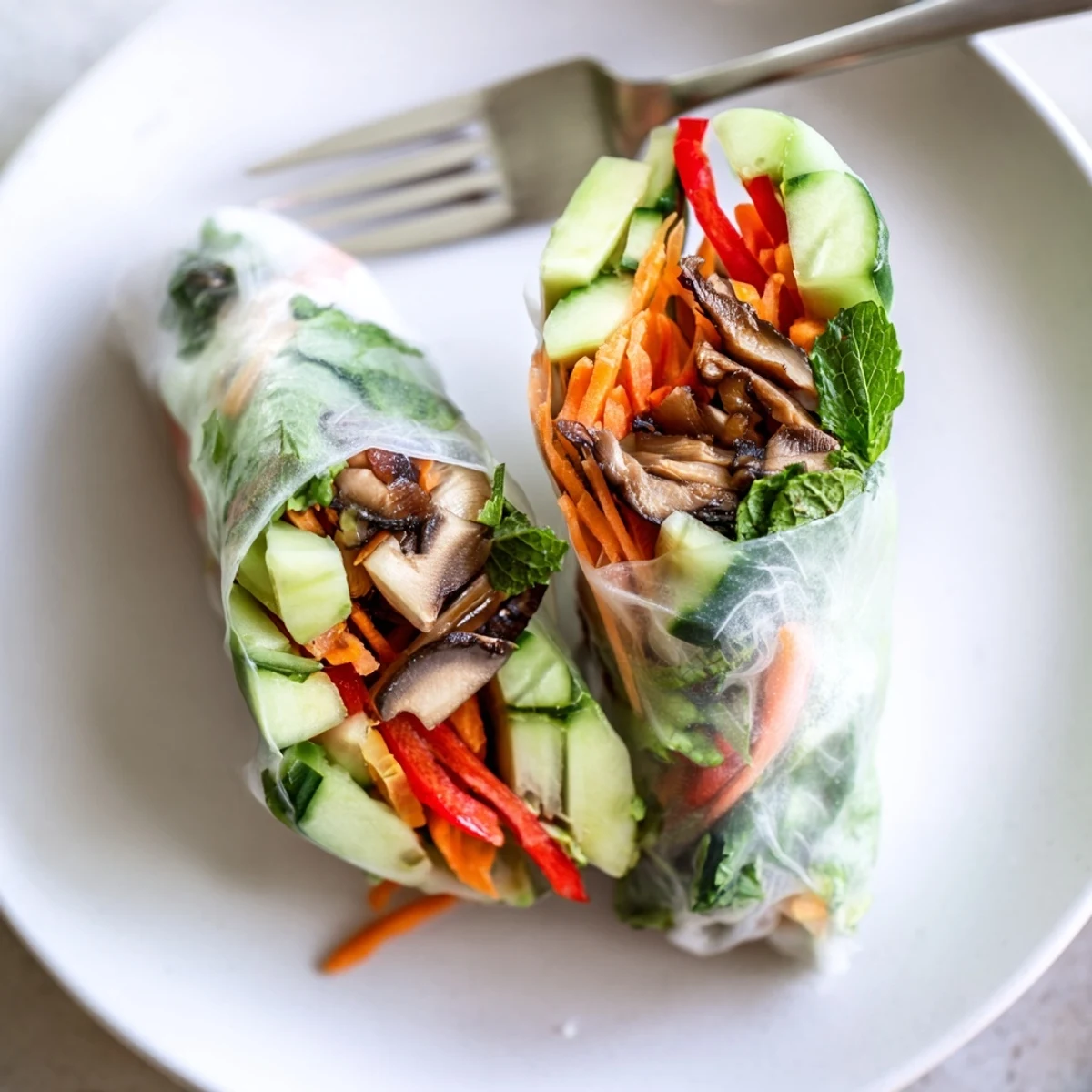
Save There's something deeply satisfying about food you can see through, all those vibrant colors suspended in delicate rice paper. They remind me that the most beautiful things in the kitchen are often the simplest.
Recipe FAQs
- → How do I prevent rice paper from tearing?
-
Soak rice paper sheets in warm water for just 10-15 seconds until pliable but not overly soft. Lay them flat on a clean, damp towel while working. Don't overfill the rolls, and fold tightly but gently to avoid ripping.
- → Can I make these ahead of time?
-
Spring rolls are best enjoyed fresh within 2-3 hours of preparation. The rice paper can become tough or sticky when refrigerated overnight. If preparing ahead, keep components separate and assemble just before serving.
- → What's the best way to slice vegetables for spring rolls?
-
Use a sharp knife or mandoline to julienne carrots and cucumber into thin, matchstick-sized strips. Slice bell peppers and avocado into thin, even pieces. Uniform cutting ensures even rolling and pleasant texture in every bite.
- → Can I use other mushrooms besides shiitake?
-
Shiitake mushrooms provide an earthy, meaty texture and rich flavor. Cremini or button mushrooms work as substitutes, though they're milder. For a meatier option, try portobello mushrooms sliced and sautéed similarly.
- → Are these spring rolls gluten-free?
-
Yes, these rolls are naturally gluten-free when using tamari instead of soy sauce. Rice paper wrappers are typically gluten-free, but always check labels. Ensure all packaged ingredients, including condiments, are certified gluten-free.
- → How do I store leftover dipping sauce?
-
Store any extra dipping sauce in an airtight container in the refrigerator for up to one week. The flavors may intensify over time. Give it a quick whisk before serving again, and add a splash of water if it thickens.